Why Ireland’s Fine Dining Scene Feels Different
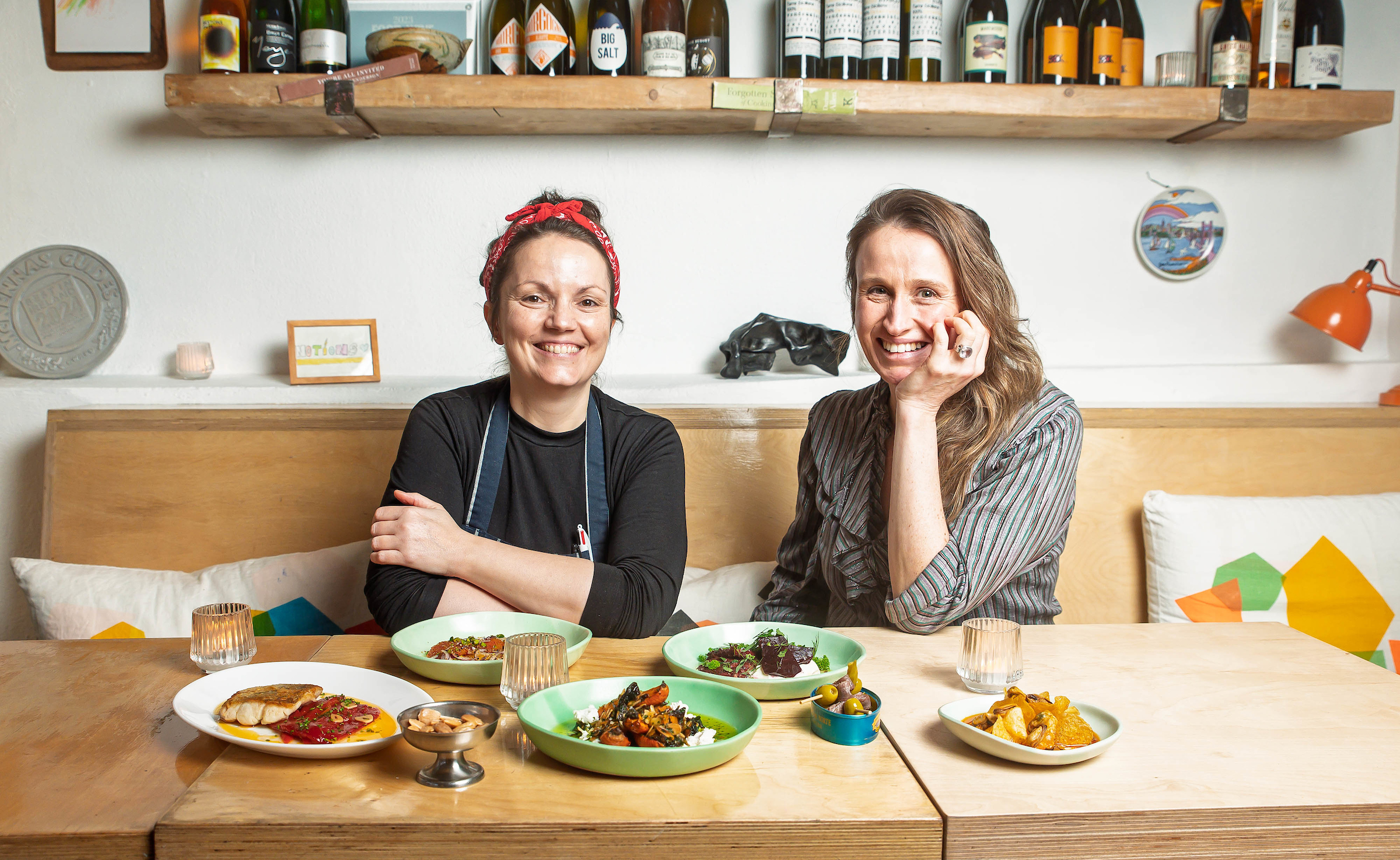
St Francis Provisions, Kinsale, Co. Cork
On the island of Ireland, a natural warmth and friendliness make guests feel instantly at home, bringing a relaxed ease to even the finest dining experiences. Here’s what makes Irish hospitality feel so special…
“It is all about having an open heart,” says Barbara Nealon, who earlier this year became the one individual across all of Ireland and Great Britain to be honoured with the special annual Michelin Service Award 2026.
“Our chefs cook with an open heart, and our service is led by human beings who have a desire to take care of you,” says the owner-manager of Saint Francis Provisions, a tiny 16-seater restaurant and wine bar in Kinsale, County Cork, the starting point of the Wild Atlantic Way. “Yes, there’s a right way to run a dining room, to hold a glass, to pour wine – but, really, service is about showing up with a generosity of heart.”
The Michelin Guide described Nealon as “personifying Ireland’s famously warm hospitality” with “her relaxed, personal approach to service [that] puts her guests at ease whilst ensuring everything runs as efficiently as possible”.
It’s a confident, authentic service style that Ireland now excels in, found across the land from intimate dining rooms like Nealon’s to a new wave of highly ambitious kitchens where modern Irish fine dining manages to feel refined and elevated yet still deeply human.
The power of personal service
Three years ago, Declan Maxwell of Spitalfields gastropub and restaurant received the same Michelin award. The guide praised his ability to “treat customers like you’re bringing them into your house for a dinner party” and noted his “remarkable ease”, despite the busy setting, in leading “from the front with warmth and enthusiasm, ensuring that every guest has a joyful experience from beginning to end”.
The secret, Maxwell reckons, is being the type of person who wants to share that joy with customers and building a team of like-minded staff.
“It’s key that they actually like people!” says Maxwell, whose technical service skills were honed working in iconic dining rooms such as London’s 3-star Chez Nico before he returned to run legendary restaurant floors at Dublin’s La Stampa, Chapter One and Luna.
“You can teach all those practical skills, but you can’t teach someone that friendly disposition – so it’s always a non-negotiable in hiring and keeping staff.”
It helps that a love of good banter and “the craic” (fun) to be had in everyday exchanges is deeply ingrained in Irish culture. Irish diners bring that quick wit to the table too, and it’s common to meet hospitality staff from around the world who have fully embraced that aspect of Irishness.
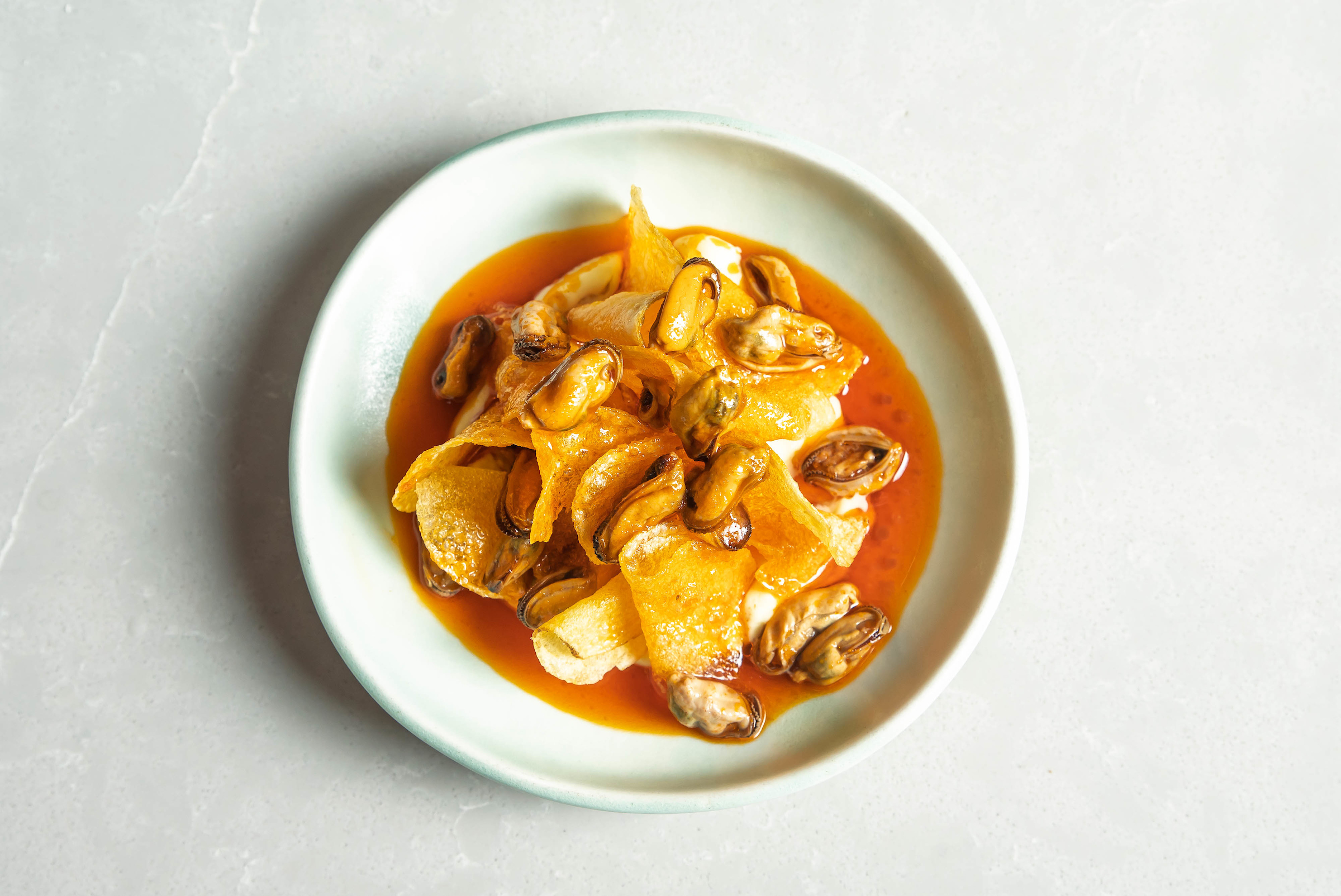
A new appetite for Ireland – the rise of food tourism
Spitalfields sits just a short stroll from Dublin’s city centre in the richly storied Liberties neighbourhood. Like Saint Francis Provisions, it holds a Michelin Bib Gourmand – one of 26 across the island, alongside 25 Michelin-starred restaurants (including five two-stars).
Maxwell has seen a notable rise in Irish food tourism, an evolution he takes great pride in.
“We used to see people coming for the must-see sights, but more and more food tourists are here purely to eat and drink well. And they know what they’re doing: they’ve done their research, and they’ve made their bookings.”
These visitors come expecting world-class gastronomy – but what they all remark on, in Maxwell’s experience, is the exceptional warmth of Irish hospitality and service.
“We get a lot of international tourists coming to us at the end of their Irish tour of high-end hotels and fine-dining restaurants, and the feedback I always hear is that they can’t believe how friendly every single person they’ve dealt with has been,” he says. “That comes from the top, from the service style of the hotel and restaurant managers.”
He attributes that top-down blend of precise professionalism and personal warmth to how well-travelled his generation of managers and hospitality leaders are.
“We went away and worked in top establishments abroad – and then we returned. While Ireland’s excellent ingredients were always there and our innate friendliness was always there, now we had a new appreciation for them, along with high standards of professionalism.”
Nealon agrees that working abroad – in her case, in California’s ingredients-led culinary culture. gave her a great appreciation for what we have on the island of Ireland, and for the privilege of sharing that with visitors.
“It’s such a pleasure to share about our cheese makers and growers and incredible food producers,” Nealon says. “The quality of the raw material here is the best in the world, and the character and the ethics of our producers are exceptional, and I am extremely proud to showcase their work and the respect they have for the environment.”
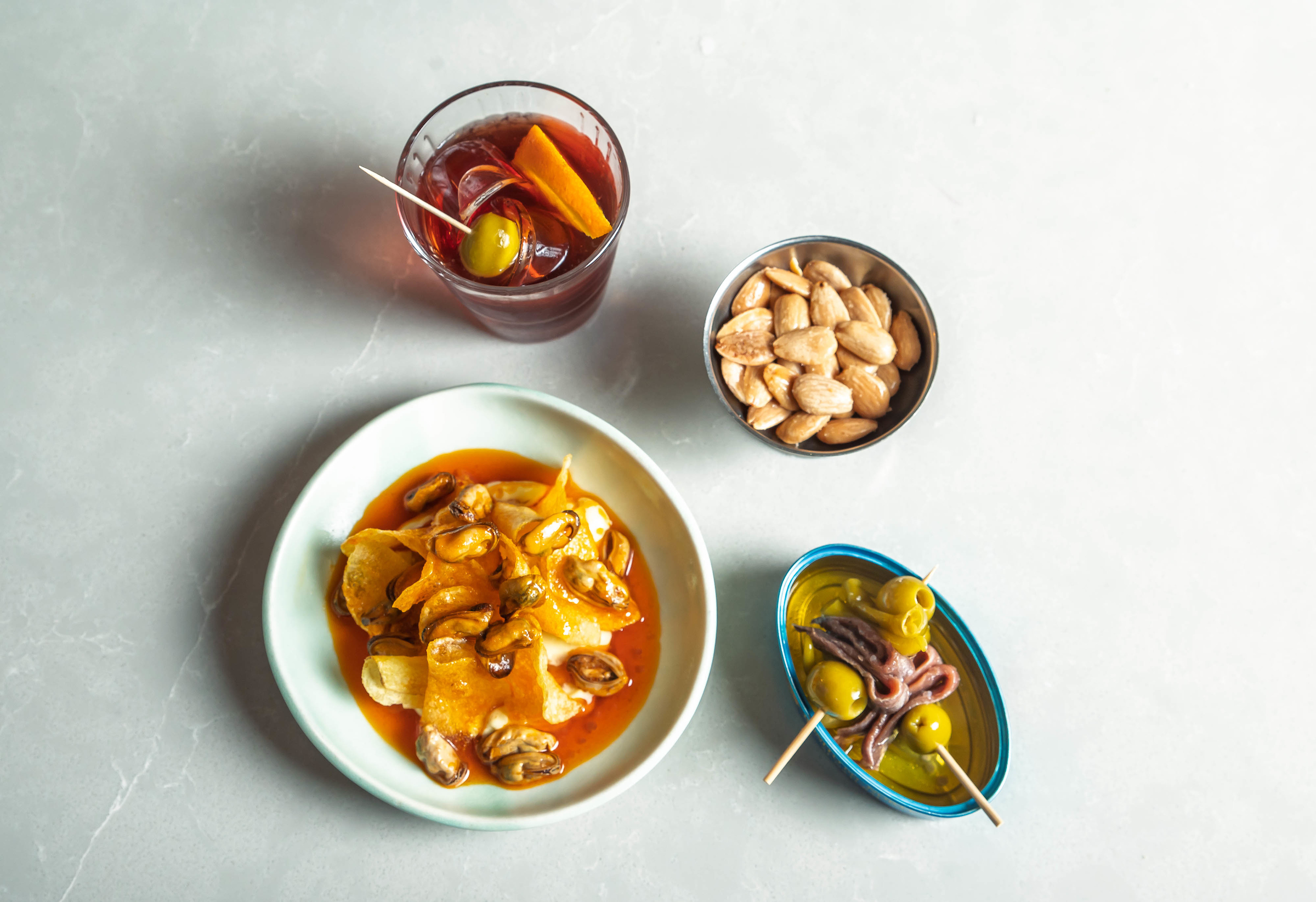
World-class dining with a human touch
For all of their pride in the highest quality of Irish food and the people and land it comes from, however, Nealon and Maxwell both recognise that restaurants offer something more than fine food and beverages – just as visitors come here for more than the great views.
“People don’t travel to just take photos and tick boxes of where they’ve been – they come to meet people and have conversations and interact and connect,” says Nealon. “And the dining room is a place where people sit down to relax and form connections.”
That desire to connect is something that runs deep in Irish culture, due as much to our size as a tiny country as to the great volume of our diaspora.
Because Ireland is so small and close-knit, Nealon says, there’s always a “pretty big chance that I know someone you know – it’s not six degrees of separation, but two!” As people, we have an innate desire to find those connections with each other. “That’s a specifically Irish thing and is such a pleasure for us,” she notes.
When it comes to a dining experience, it’s that human connection that brings the magic. “That’s the marrow,” says Nealon. “All the sounds and the conversations and the laughter and the jokes – they’re the really memorable things that will light you up when you remember that dining experience.”
For Nealon and her staff, it is something special to get to share that with customers. It’s easy, she says, as an international tourist, to feel like one of thousands passing through a popular destination such as Kinsale; and it would be easy too for a task-based job like restaurant service to feel repetitive and robotic. The antidote to both is in finding those precious connections.
“I think that the personal conversations with people make their experience meaningful – and the minute we connect with people, it becomes interesting for us too: no one customer is the same as another customer.”
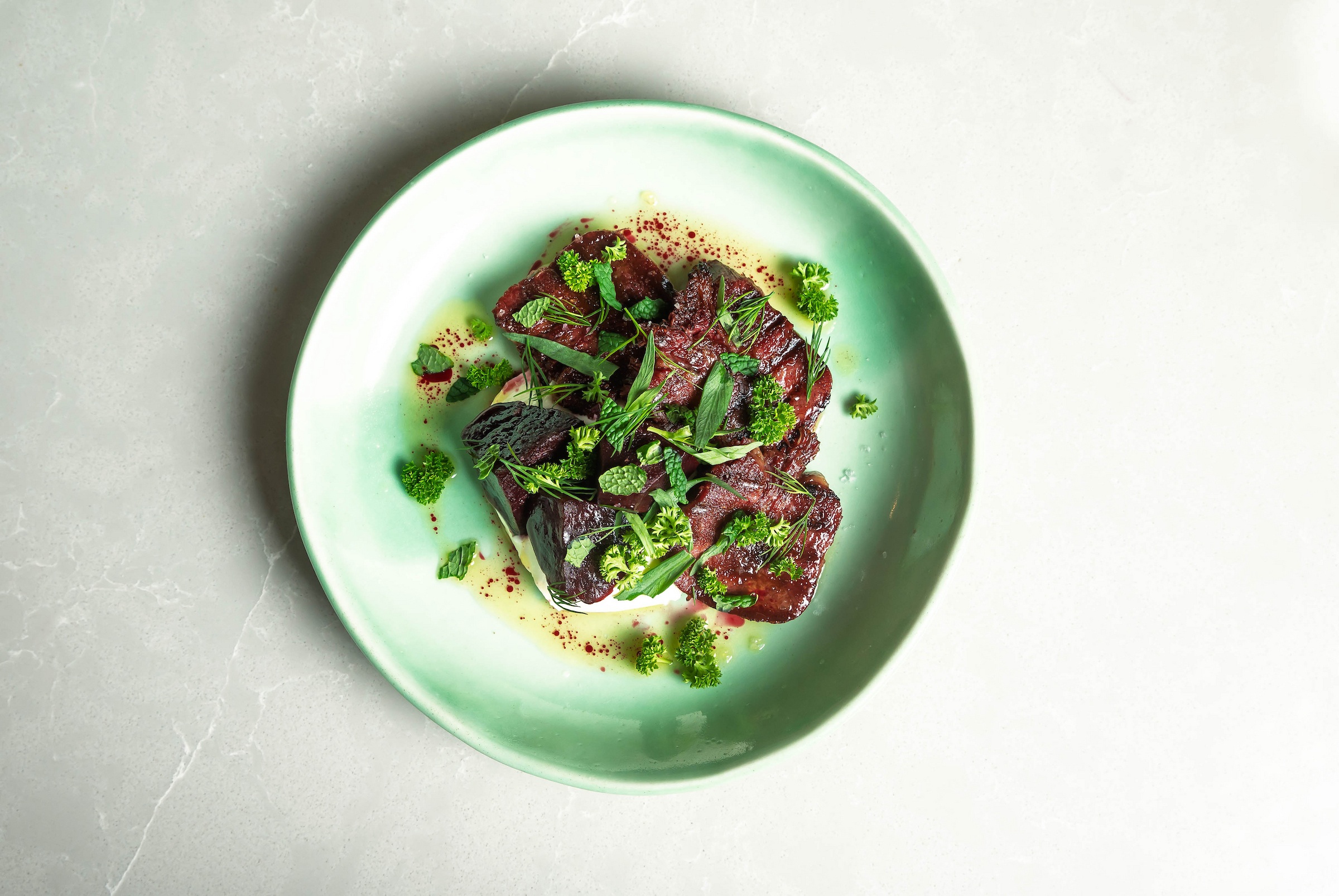
Slowing down and savouring the moment
In our modern, always-on world, time shared with other people is increasingly precious.
“In people’s lives now, time together is the thing they don’t have enough of,” Nealon says. “It takes a lot of effort to get out and to carve out time with your partner or friends or family. We just want them to feel relaxed and appreciated and valued, and to enhance that precious time and make it special.”
There’s also a great pride in their unofficial roles as local ambassadors who can share real-time local knowledge that you might not find in guidebooks or online.
Maxwell deems it his business to know what’s going on in the city and across the country – whether that’s the hurling match his diners might still get tickets for, or the best day this week to see the Cliffs of Moher without a veil of rain clouds.
It helps, Maxwell says, that we’re “naturally curious as a people, so when we ask where have you visited or where are you going, we genuinely want to know.”
And if he can then ring ahead to a restaurant to let them know there are some lovely folk on their way, sure, why wouldn’t he?
“They love the fact that we all know each other – but that’s the beauty of being a small industry in a small country that values connections as we do.”
And these moments of connection linger long after guests have left the restaurant. Ultimately, the quality of the food may draw many to the island of Ireland, but it’s the warmth of the welcome that keeps them coming back.