Embrace the Rainbow at Ireland’s welcoming Pride events
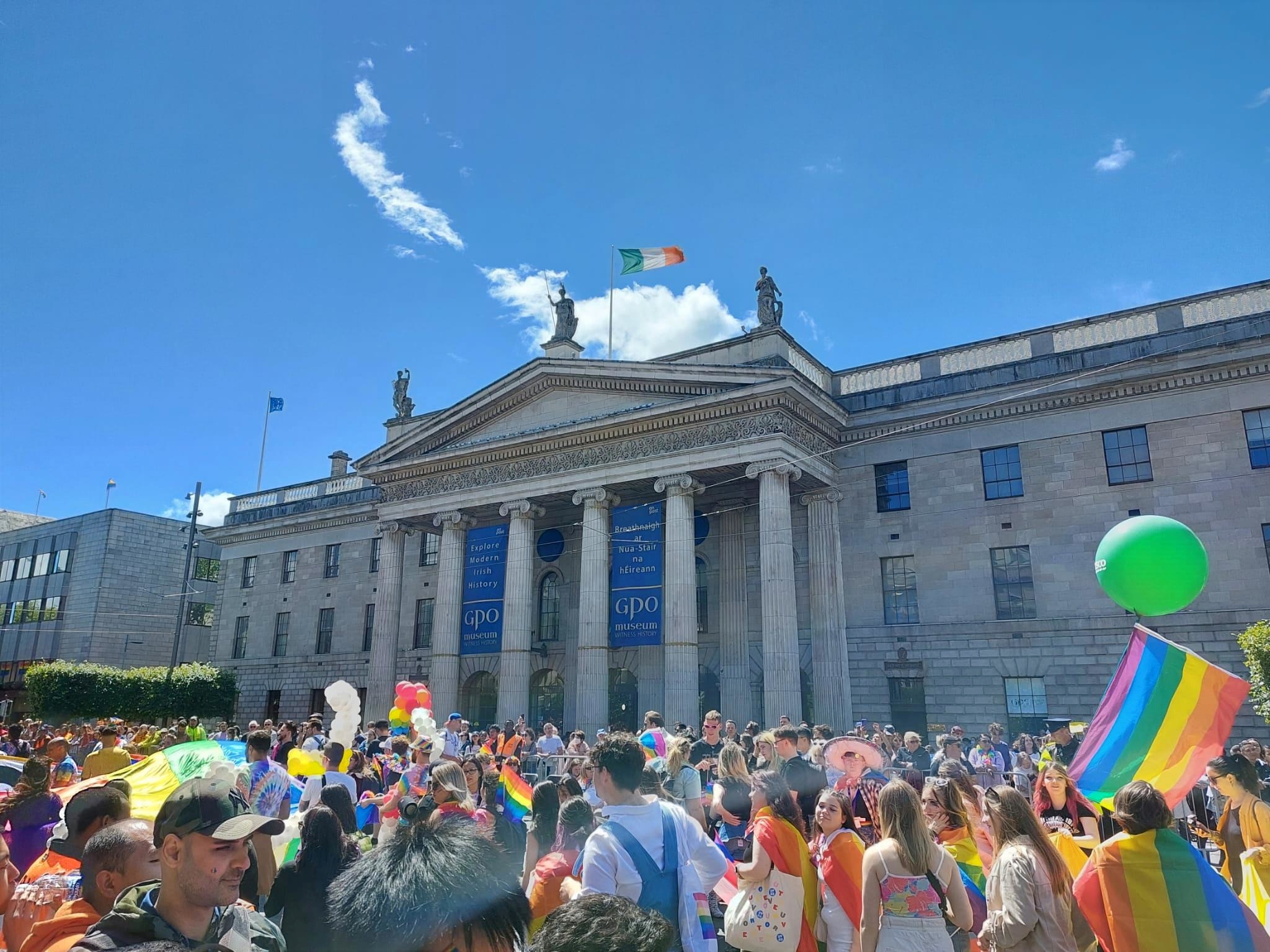
Dublin Pride Parade, O'Connell Street, Dublin City
As the first country to legalise same-sex marriage by popular vote, Ireland can rightly claim to be an LGBTQ+ friendly island. Its Pride celebrations reflect not just an embrace of diversity but also the warm Irish welcome that the island is famous for.
From the big city-wide festivals in Belfast and Dublin to more intimate regional events, each celebration is shaped by the culture, creativity and character of its surroundings. And beyond the fun of organised events, there is the joy of impromptu connection with others in cafes, pubs and restaurants, and even in the streets.
Dublin Pride Festival (24–28 June) is the first to raise the rainbow flag this summer and this year’s theme - One Story, Many Voices - reflects the different journeys within the LGBTQ+ community. The capital’s celebration is one of Europe’s most vibrant, centred around a high-energy parade with over 100,000 participants. The festival encompasses outrageous parties, cabaret and comedy as well as reflective talks and tours, and marks the end of a month-long programme of arts, history, sports and entertainment events exploring the history and identity of the LGBTQ+ community in Ireland
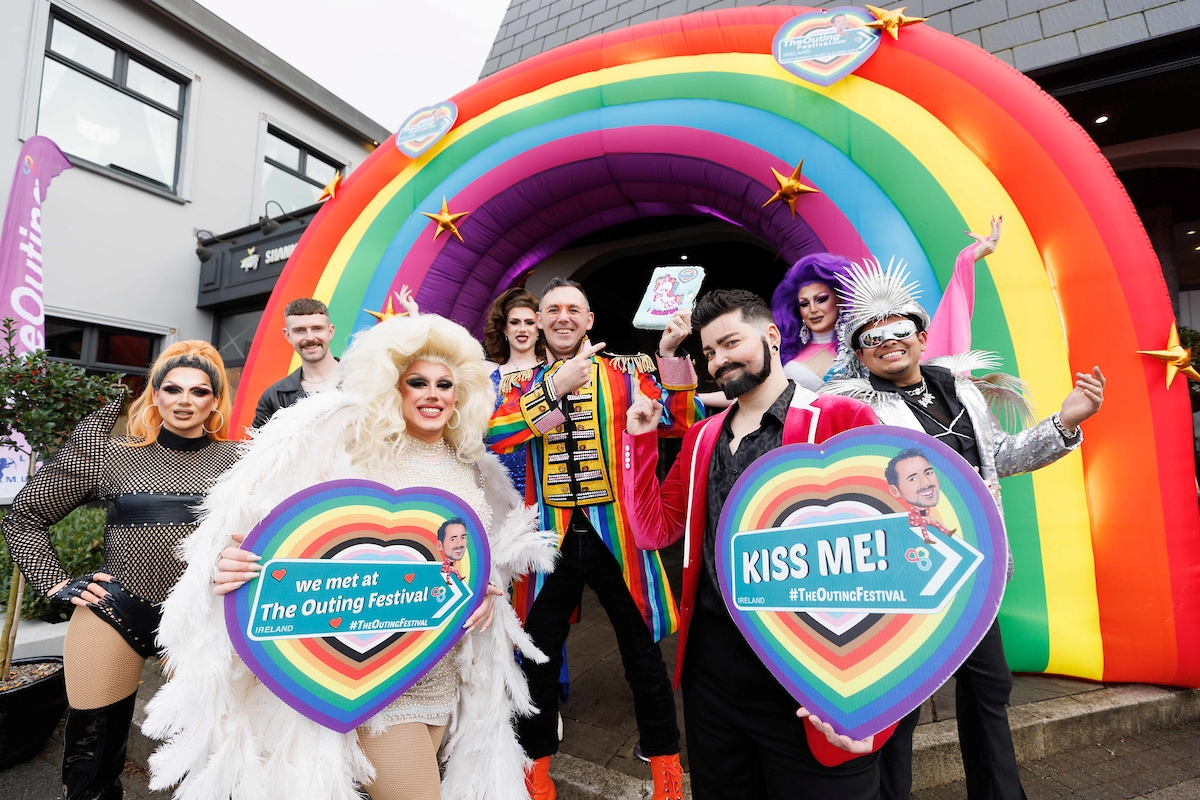
The Outing Festival, LGBTQ+ Matchmaking,and Music Festival, Co Clare
Marking 35 years since the first small Pride march took place in the city, Belfast Pride (17–26 July) packs over 165 events into ten days, making it one of the largest festivals on the island. Under the theme Love in Every Colour, this year’s festival celebrates the full spectrum of LGBTQ+ identities and stories, reflecting a city that has reinvented itself over the last 30 years into a thriving, cosmopolitan centre and UNESCO City of Music. Among the highlights of the festival are the Party in the Square at the historic Custom House and the joyful, music-filled Pride Parade. There is also a strong community-led programme of panel discussions, performing arts and diverse cultural events that provide a fascinating window into Belfast’s evolving character.
Smaller but no less powerful Pride events take place in Ireland’s other main cities. Cork Community Pride (1–2 August) is organised by local volunteers who are passionate about celebrating equality and visibility for the LGBTQ+ community. The festival, still in development, aims to reflect the spirit of Cork, which is famous for its independent character. This can be explored further by taking a guided tour of its historic buildings or simply striking up a conversation with a local.
Meanwhile, over on the west coast, Galway Pride (2–8 August) leans into the city’s bohemian and artistic vibe with a festival strongly rooted in theatre, music and culture. From street entertainment to poetry readings and drag queen masterclasses there is an eclectic mix of events that invite the whole community to celebrate what makes Galway a cultural magnet. The city is also a gateway to the stunning Wild Atlantic Way coastal route and the spectacular landscape of Connemara – stunning natural attractions that should not be missed on a visit to the region
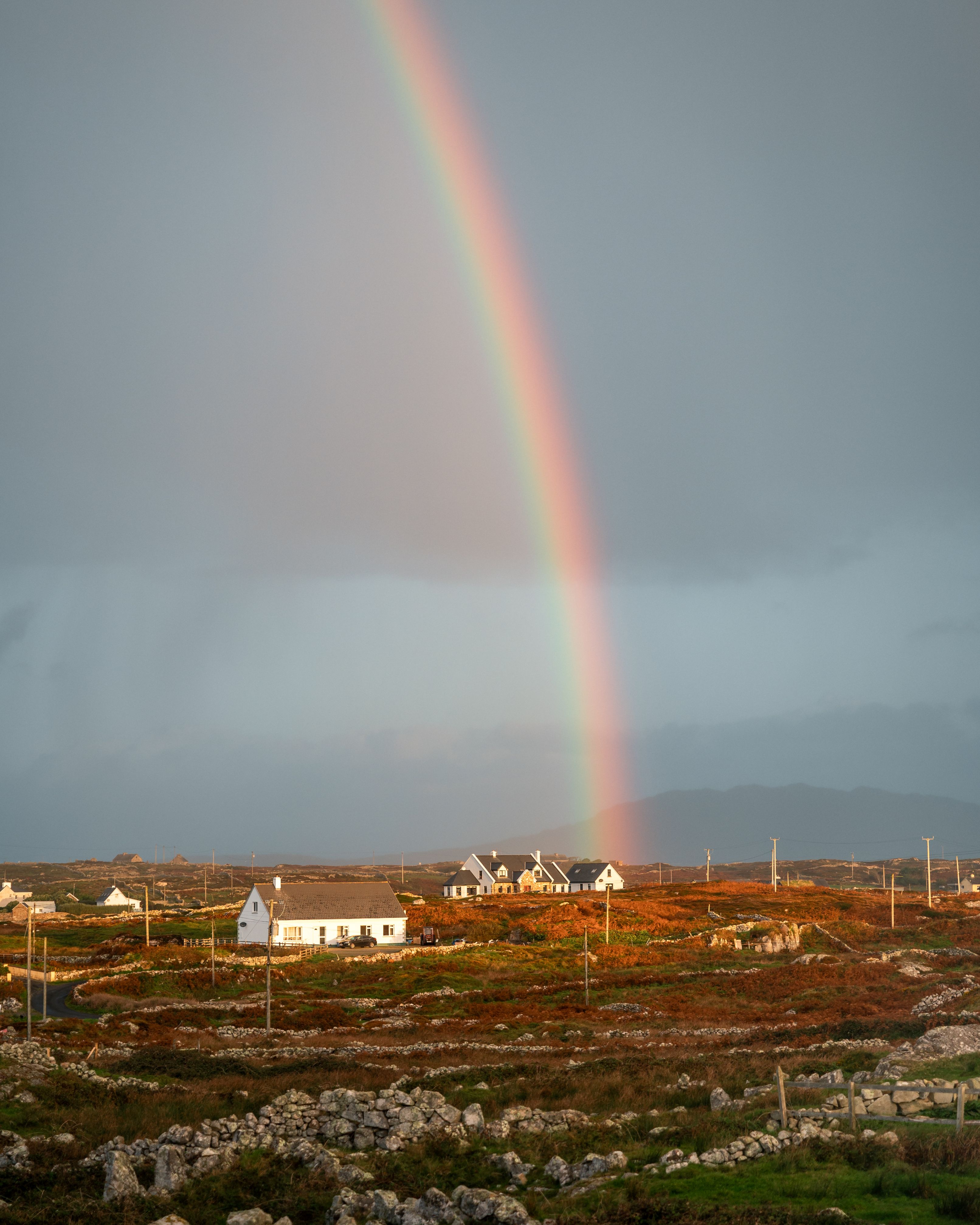
Connemara Rainbows, Co. Galway
And at Limerick Pride (6–11 July) a mix of creative workshops, high-octane entertainment and commemoration of the activism that led to LGBTQ+ equality offers a strong sense of local identity. With multiple youth and family events, Limerick’s festival is an embrace and celebration of the whole community.
The city’s passion for ensuring that all LGBTQ+ voices are heard helped it, together with County Clare’s The Outing Festival, win the bid to jointly host EuroPride in August 2028, the first time the prestigious 10‑day European festival will be held in Ireland. As a pan‑European celebration, EuroPride will blend culture, activism and celebration, giving a platform to LGBTQ+ communities across Europe, including those from rural settings and small towns, in a movement that aims to bring the continent together in love, equality and shared human rights.