
The Secret to Ireland’s Michelin Success
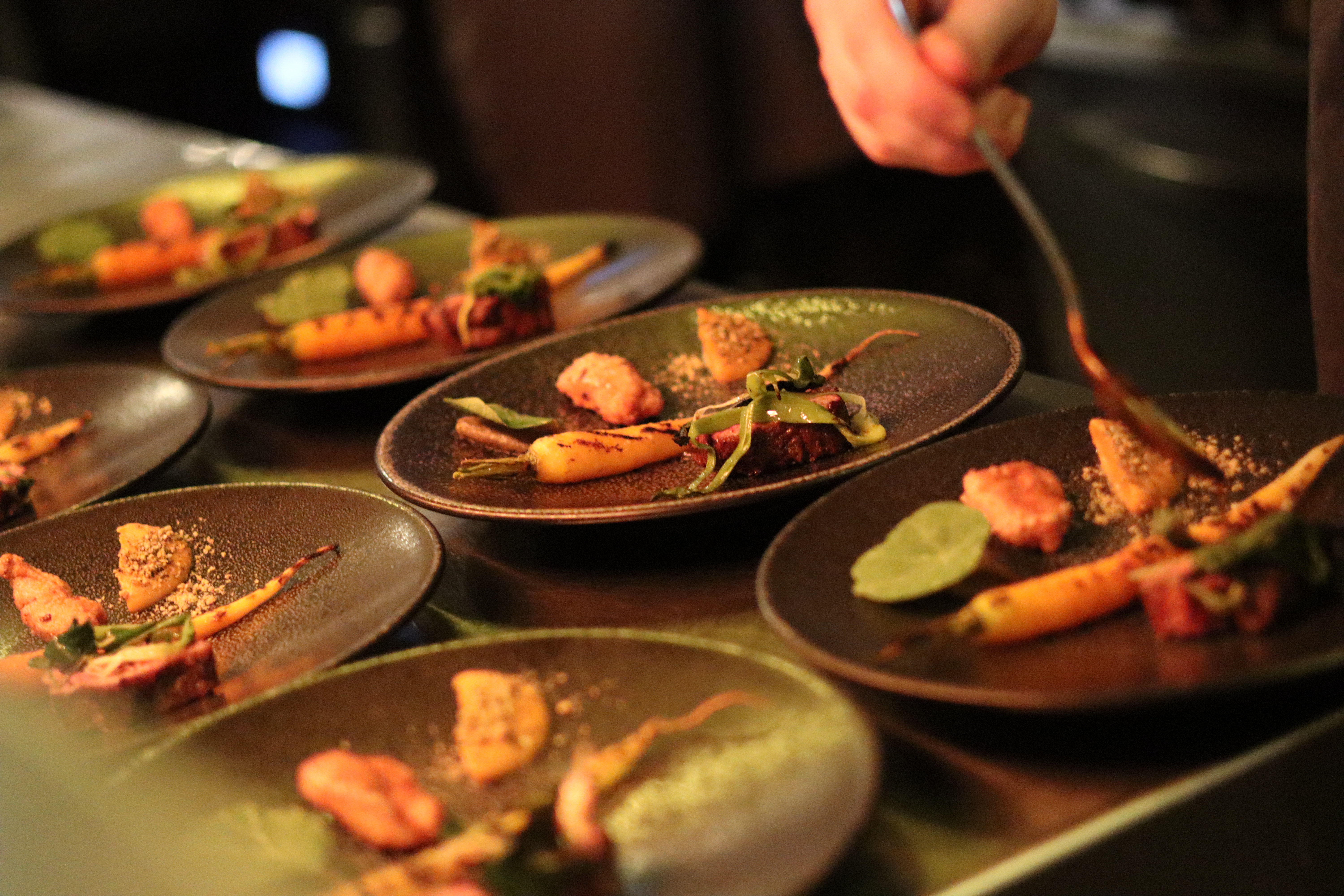
The Muddlers Club Restaurant, Belfast
This week, the eyes of the culinary world and all who follow its star makers and chasers were turned to Dublin city, as it played host for the first time to the annual unveiling of the Michelin Guide Great Britain & Ireland.
In recent years, Michelin’s increased celebration of Ireland’s restaurants reflects a local gastronomy that has become as confident as it is diverse.
Alongside the established heavyweights such as Restaurant Patrick Guildbaud, which has maintained two Michelin stars since 1996, and new royalty that includes The Muddler’s Club in Belfast and Terre in County Cork, there is a whole battalion of restaurants and chefs shaking things up.
Throughout the island, 25 restaurants have at least one Michelin star (double the number from a decade ago), including this year’s new one-star additions: Dublin’s long beloved Forest Avenue and Galway’s The Pullman, set in two elegantly restored Orient Express carriages. Another 25 Bib Gourmand awards highlight restaurants offering excellent value for the quality of their cooking, from modern Beau in Belfast to Sha-Roe Bistro in the tiny village of Clonegal, County Carlow, set in a 17th-century coaching inn.
Ireland now holds its own amongst some of the world’s most exciting gastro-destinations. What is particularly appealing, though, is that Ireland infuses its offer with unique characteristics that remind you exactly where you’re dining.
So, what makes Irish dining special?
Global influences, local ingredients
As an island nation, the Irish have an outward-focused curiosity for the world around them. This has long been a place of emigrants and returnees. More recently, it's also a place of immigrants, who are applying the inflections of their own cuisines to exceptional Irish ingredients. In the scenic coastal village of Baltimore, West Cork, Turkish chef Ahmet Dede masterfully blends local produce with authentic Turkish flavours at his refined two-star restaurant Dede and its Bib Gourmand sibling Baba’de. A similar fusion of influences can be enjoyed at Japanese chef Takashi Miyazaki’s Ichigo Ichie Bistro in Cork city, also with a Bib Gourmand.
A new era of creative cooking
One defining aspect of Ireland’s contemporary gastronomy is the ambition and confidence of its young chefs, many of whom have travelled widely and worked with some of the best international talent before bringing those refined skills and eclectic influences home.
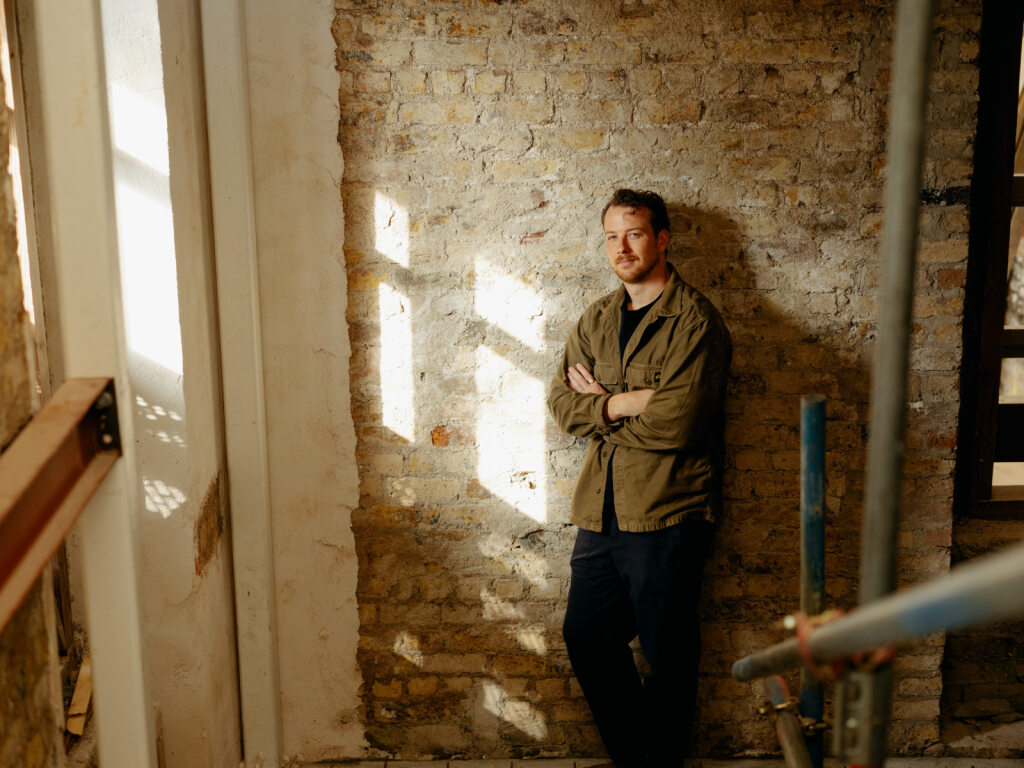
Chef Cúán Greene
Cúán Greene is one such chef. A former chef de partie at Copenhagen’s Noma and Geranium, Greene is currently working on a new project called Ómós, a much-anticipated 16-bed guesthouse and farm-to-table restaurant. Located in Abbeyleix, County Laois, and with a focus on place, people and food, Ómós is set to open in summer 2026.
“It’s a really exciting time in Irish food,” says Greene. “We’re on the cusp of something – especially mixed with the Irish pride we’re all feeling for our native language and culture.”
For Greene, “the most important thing is that when people come and experience it, they feel that it could be nowhere else in the world, that it could only be in Ireland. It's that sense of place and connection to community that we're really interested in creating.”
The Irish gift for storytelling helps to weave all these elements together. “Through storytelling, experiences become so much richer,” Green explains. “It's not about just coming and staying overnight and having a nice meal. It's about really creating that holistic experience that people remember forever. We want people to feel connected to us and a part of what we're doing, and to celebrate something that is very unique and special to the area that we’re doing it in.”
Reworked traditions and trailblazing chefs
Traditional Irish flavours are being reimagined by ambitious young chefs, combining storytelling skills with exacting standards.
Elizabeth Dunphy is sous chef and head of the pastry kitchen at the one-starred Bishop’s Buttery restaurant in the Cashel Palace Hotel, County Tipperary. Set within a vaulted stone dining room in the cellars of one of Ireland’s most beautiful Palladian manor houses, the restaurant has been praised by Michelin for cooking that “puts local suppliers to the fore”. Dunphy follows that approach to rendering a true taste of Tipperary through to the desserts that she conceives, crafts and fine-tunes to perfection.
“Irish people love their desserts,” says Dunphy, whose respect for Ireland’s home cooking has influenced her elevated style. Crowned Euro-Toques Rising Pastry Chef of the Year 2025, Dunphy won the competition with her dessert “Not your typical apple tart”, under the theme “Classics Reimagined Using Irish Ingredients”.
Dunphy spent every spare hour perfecting the dish, using local ingredients such as County Tipperary’s Sissy Red apples (roasted skin-on with butter and sugar) and foraged blackberries from hedgerows around Cashel town (used to create a blackberry gel).
Constantly inspired by the skill and expertise of chefs around the island, Dunphy particularly rates the “super clean and refined” desserts of Darren Hogarty at Chapter One and the “quirky, fresh approach to Irish ingredients” taken by the team at chef Niall Davidson’s Allta in Dublin’s Docklands.
She sees a strong identity emerging in Irish food. “We’re realising that there’s no point in copying another culture and forgetting our own roots.”
The warmth of Irish hospitality
Like so many of their peers, Greene and Dunphy share a deep respect for the quality of Irish ingredients. But when asked what makes Irish dining extra special, both chefs point to the instinctive hospitality Ireland is renowned for. “We’re a produce-driven country,” as Greene puts it, “but we also have that innate ability to make people feel comfortable, and matched with good training, there’s a possibility of something truly brilliant.”
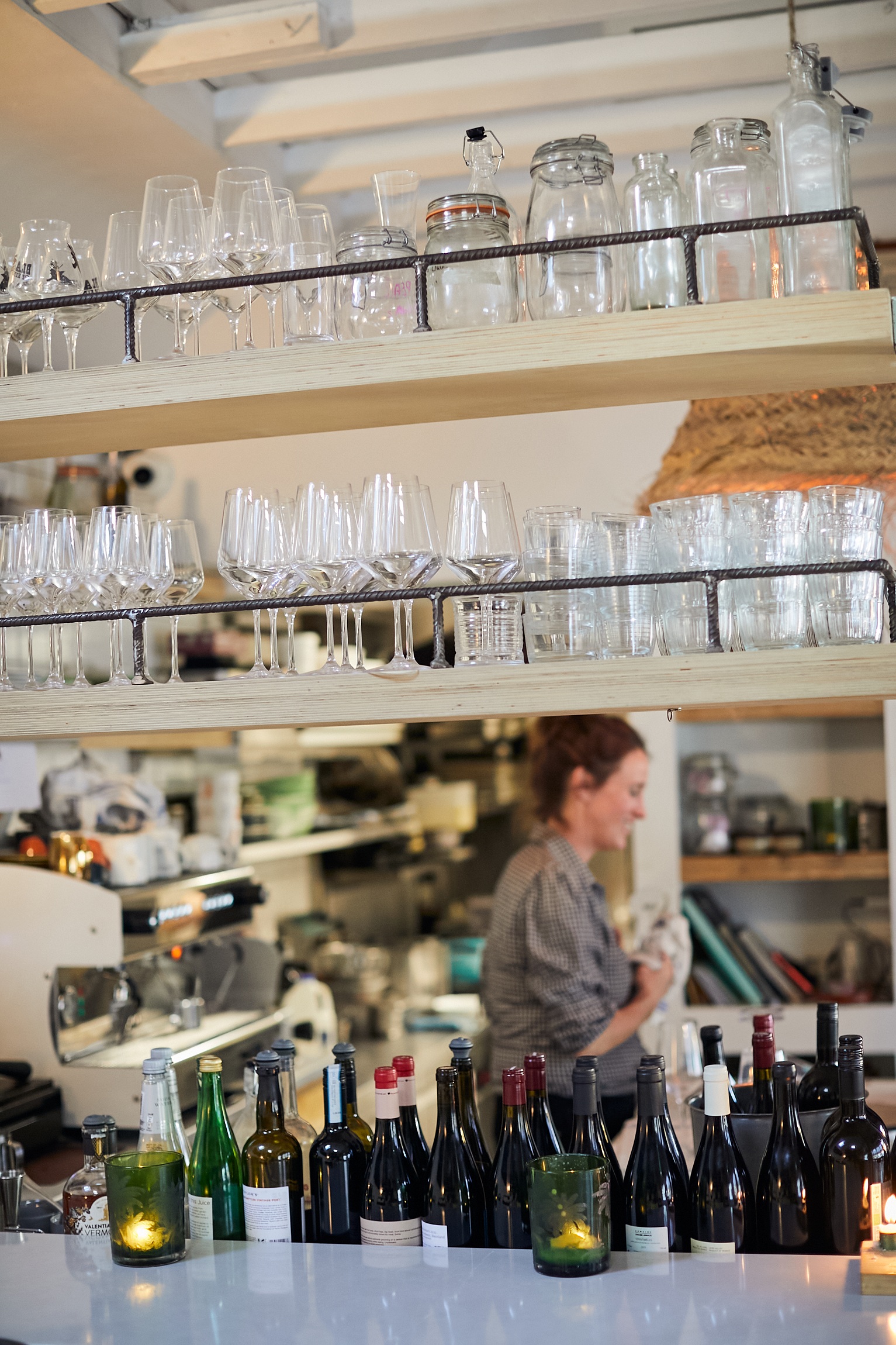
Michelin Service Award Winner Saint Francis Provisions, Kinsale, County Cork
No wonder then that in the last six years, the Michelin Guide Welcome and Service Award for Great Britain and Ireland was awarded to an Irish restaurant. This year, it was granted to Barbara Nealon and her front-of-house team at Saint Francis Provisions in Kinsale, County Cork. “I think the reason we do hospitality so well is because of how we are raised,” Nealon notes. “We take care of each other – and by extension, we take care of our visitors.”
Saul McConnell of Noble restaurant in Hollywood, County Down – which has had a Bib Gourmand since 2017 – was the recipient of the same service award in 2021. “For me, the best service is warm and genuine; we always wanted Noble to be a place where everyone feels welcome.”
It’s something that Noble has in common with Belfast’s two Michelin-starred restaurants, Ox and The Muddlers Club, where the serious attention to detail of the food never gets in the way of sharing a good time.
Asked what he is proudest of about contemporary dining on the island of Ireland, McConnell sums it up perfectly. “There’s a real sense of authenticity now,” he explains. “Restaurants feel personal and connected. Our hospitality is genuine and natural, and I feel that’s something we do really well. We love our customers!”
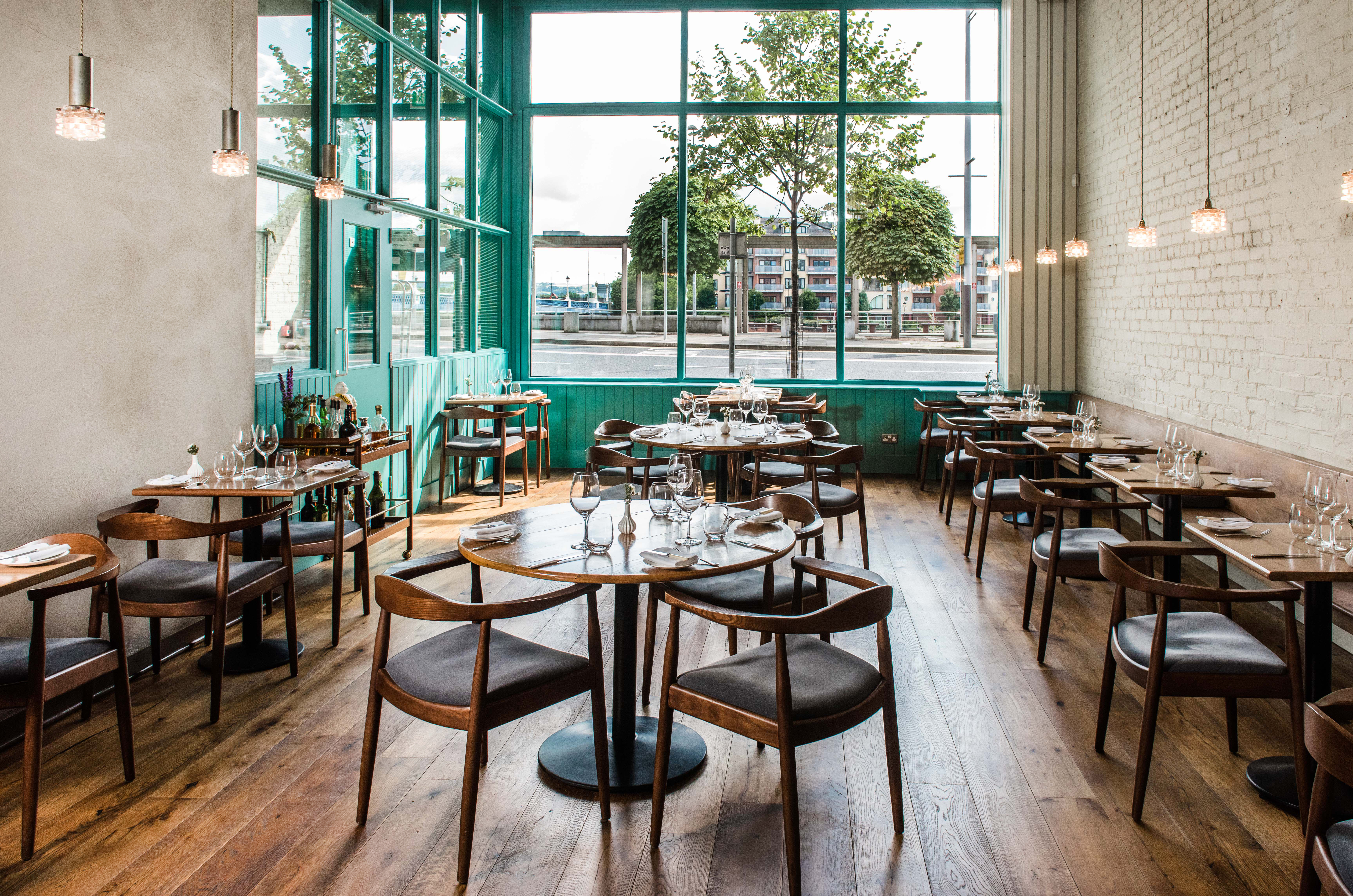
Ox Restaurant, Belfast City Centre, Co. Antrim