
Ireland’s 1926 Census: A Century of Family Stories Revealed
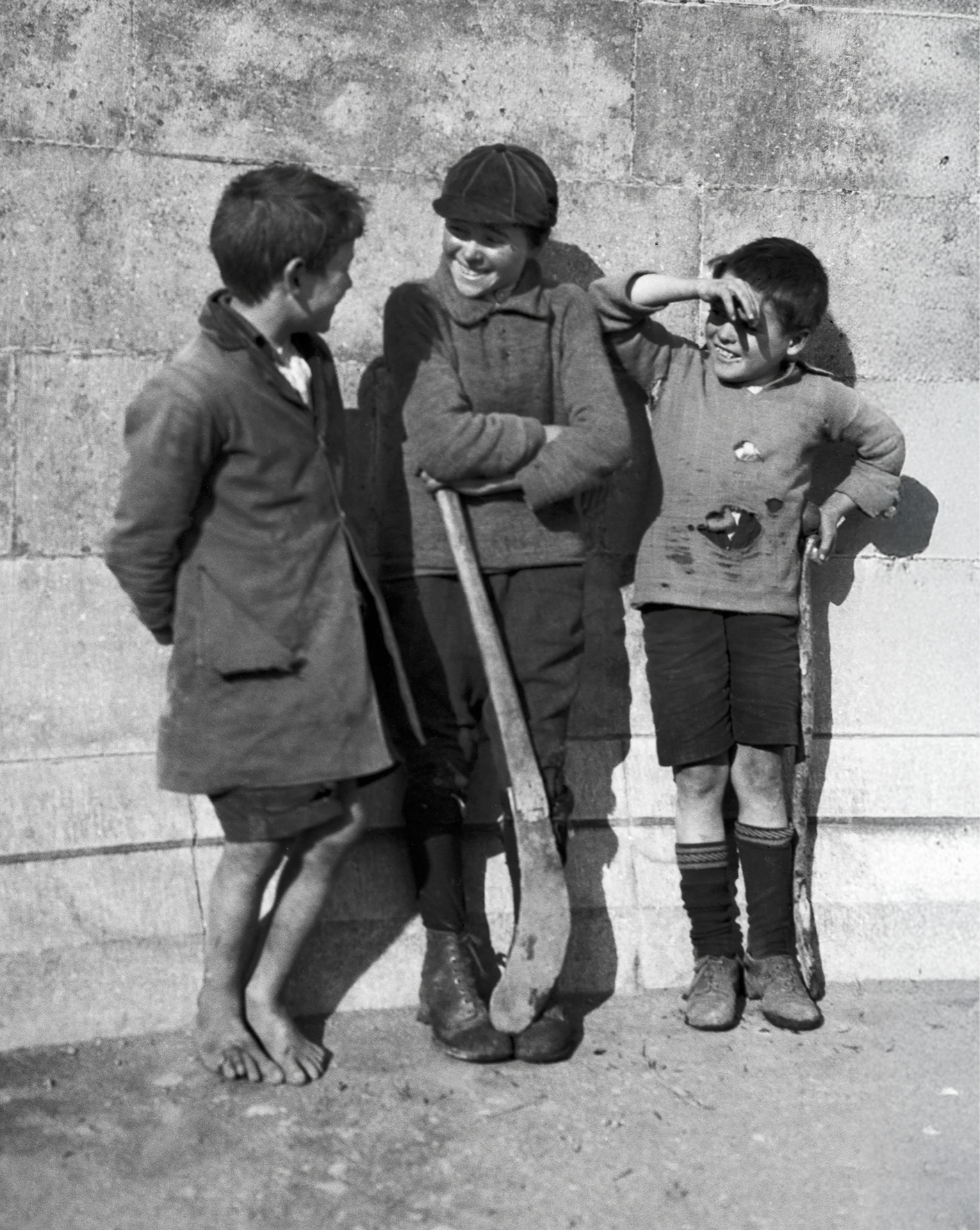
Children playing hurling, Galway
Some things connect us across generations and make the past feel tangible rather than distant. The 1926 Census of Ireland is one of them. As the first census commissioned after the establishment of the Irish Free State, it offers a fascinating glimpse into everyday life a century ago and can spark a deeper exploration of family history.
On the night of 18 April 1926, people across Ireland recorded 21 pieces of information — from name and age to occupation, religion, housing conditions and ability to speak Irish. Each entry, written in the hand of the person who filled it in, captures a moment in time, from the grand Georgian streets of Dublin to the rural cottages of Kerry.
Exactly a century later, on 18 April 2026, these records will be released for the first time. Available online and detailing nearly three million people and their households, the 1926 Census will be, for many, the first step on a journey that leads them to the home of their ancestors.
A Worldwide Community of Irish Descent
With an estimated 70 million people worldwide connected to Ireland through ancestry, the release of the 1926 Census is expected to resonate far beyond the island’s shores.
The detailed records offer an accessible entry point into Ireland’s past, helping to illuminate family stories and guide those beginning to explore their heritage. Of course, grappling with family history can be a daunting project, which makes the census a great place to start.
As Zoë Reid, Keeper of Public Services and Collections at the National Archives of Ireland, notes, “This is a massive moment for anyone exploring their Irish roots and incredibly exciting for those overseas in particular. The records will all be online and completely free to access from anywhere in the world. So, say someone might know that their granny came from County Clare, or they’re a Murphy from Cork, there’s an integrated map on the platform that will help them – for the first time – find where their ancestors came from, see the townland where they lived, and plan in more detail the areas they might want to visit.”
The 1926 Census might seem like just another research tool, but it’s much more than that. As Zoë explains, “The census is about people. There’s a story behind every name.”
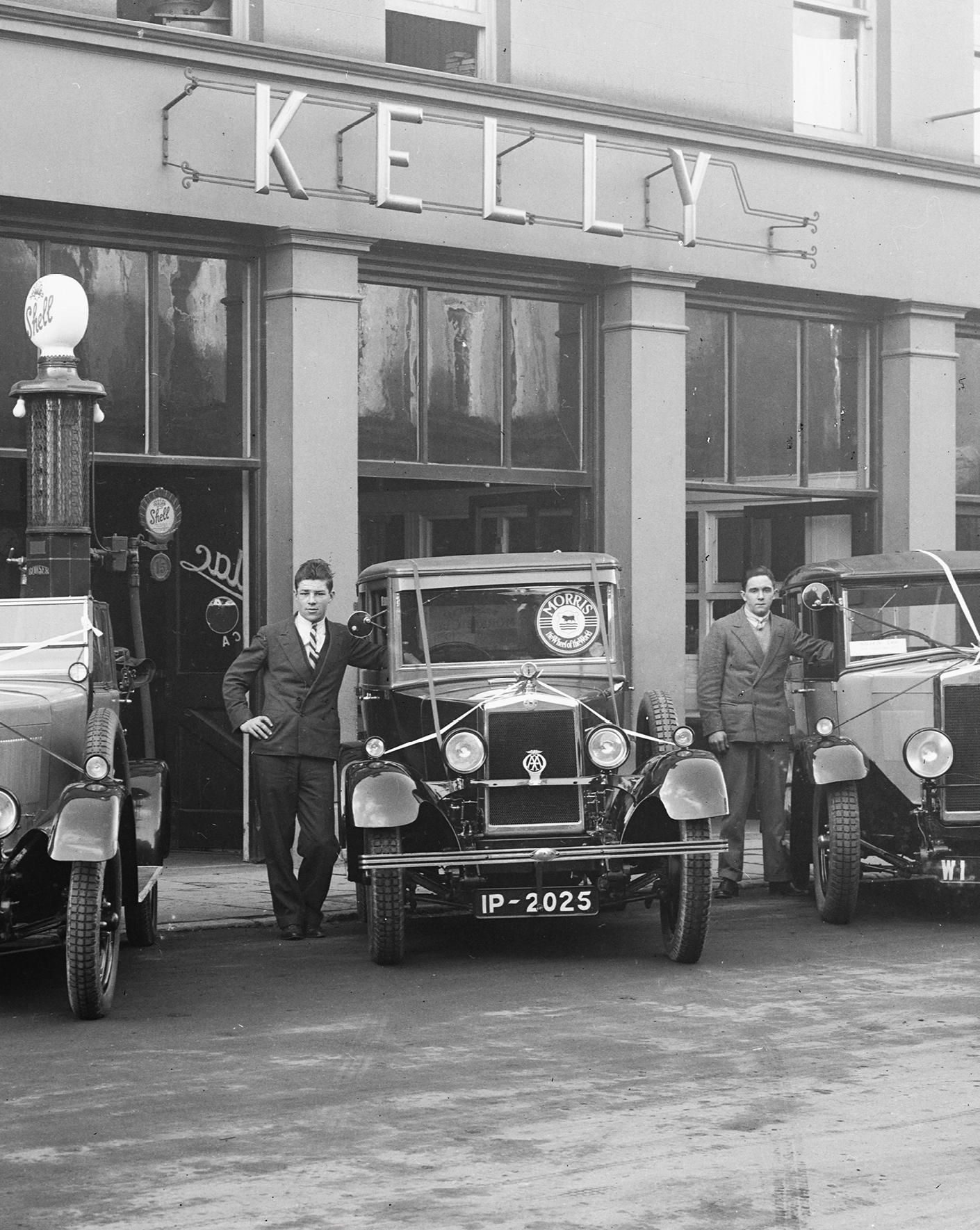
Kelly showroom, Dublin
Census Night: Across Homes, Hotels and More
The online map uses a 1924 Ordnance Survey map as its base layer, so it is as close and as accurate as possible to the lie of the land at the time of the census. Viewers will be able to zoom in to see their ancestors’ counties, towns, villages, parishes and indeed the streets where they lived.
A quirky and intriguing element of the census is that it doesn’t just cover households – it also includes information on institutions such as hospitals, barracks, prisons and even hotels.
“I think it’s absolutely fascinating that we can know who was staying in a particular hotel on census night in 1926,” Zoë notes. “There were international travellers from all over the world. Salesmen. Tourists. Working chefs from Switzerland and France. Visitors from Puerto Rico, Baltimore, Pittsburgh. Honeymooners who said they’d only been married for seven days!”
What that means for you is that if you stay, for example, in the Great Southern Killarney, The Imperial Hotel & Spa in Cork, or The Shelbourne in Dublin, you can check out who walked through its front doors 100 years ago.
Beyond the Census
For overseas visitors preparing to explore their roots on the Emerald Isle, Dublin serves as a natural starting point, offering a range of resources for uncovering Irish family heritage. The National Archives’ Genealogy Advisory Service on Bishop Street offers free, in‑person guidance for those beginning or advancing their family history research, with no appointment required.
Another key stop is EPIC The Irish Immigration Museum on Custom House Quay in the Docklands. Open seven days a week, it traces how Irish emigrants have influenced the world across the arts, science, sport, politics and innovation, offering a vivid overview of Ireland’s global story.
For deeper archival research, Glasnevin Cemetery Museum provides one of the country’s most extensive genealogy services. Using burial records dating back to 1832, the team helps to trace ancestral lines, piece together family stories and illuminate the historical context surrounding generations of Irish families.
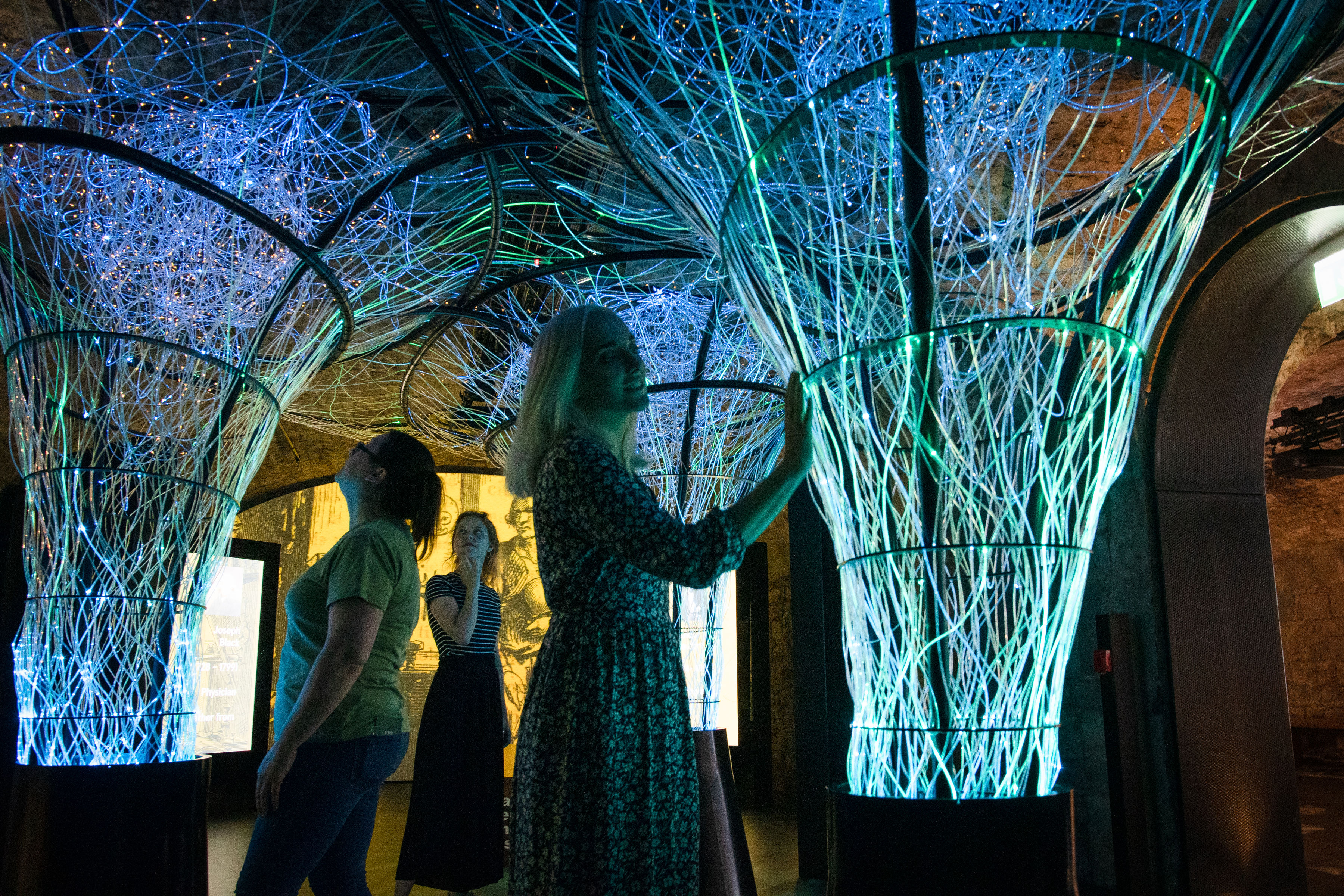
Epic, The Irish Emigration Museum, Dublin City Docklands
To celebrate the centenary of the census and its release, visitors can also check out a new exhibition titled “The Story of Us: Ireland and the 1926 Census”, which will run in Dublin Castle from April 2026.
The 1926 Census records will be available on the National Archives of Ireland website from April 18: www.nationalarchives.ie