
The Irish Creatures and Legends that Inhabit Halloween
Telling stories comes naturally to the Irish. It’s in their DNA. Long before Halloween became a global celebration, Irish people were gathering to hear stories of shape-shifting fairies, ghostly messengers and mysterious creatures from the Otherworld. And many of these creatures have become Halloween’s most famous supernatural characters.
Take the shape-shifting trickster the Púca. One of Ireland’s best-known troublemakers, the Púca can take on multiple animal and human forms enabling it to deceive people and get up to all sorts of mischief. Some tales speak of the Púca as a malevolent being, others as a protective entity. It’s most strongly associated with Samhain, the Celtic festival that is the origin of Halloween, and gives its name to one of the island’s flagship Halloween festivals.
Another distinctive supernatural figure in Irish folklore is the headless horseman. The Dullahan is a fearsome omen of death and often appears in Halloween imagery. He is depicted as riding through the night on a black horse with his severed head tucked under his arm or alternatively driving a funeral coach using a human spine as a whip. The Dullahan seeks out the dying and when he stops and speaks a name he claims the person’s soul. Should you come across the Dullahan on a dark Halloween night, do not look at him but hold up a piece of gold and he will flee without claiming his soul.
Probably, the best-known figure in Irish folklore is the Banshee (from the Irish bean meaning woman and sí (of the fairies). The ghostly woman’s wail is said to foretell death and even in modern Ireland people will tell you that they heard the banshee shortly before they were told of a bereavement. The banshee is deeply woven into Ireland’s oral storytelling traditions and is now recognised around the world as a supernatural creature whose screams are a portent of death.
Less well known is the Abhartach, an ancient Irish vampire-like figure associated with County Derry. The story goes that after falling to his death and being buried, the evil Irish chieftain came back to life and sought out the blood of local people. Despite several attempts to kill him, the Abhartach kept rising from his grave. He was eventually destroyed by being stabbed through the heart with a sword made from a Yew tree and was buried upside down. The similarities to the stories of vampires from around Europe suggest that this figure may have influenced the development of vampire folklore.
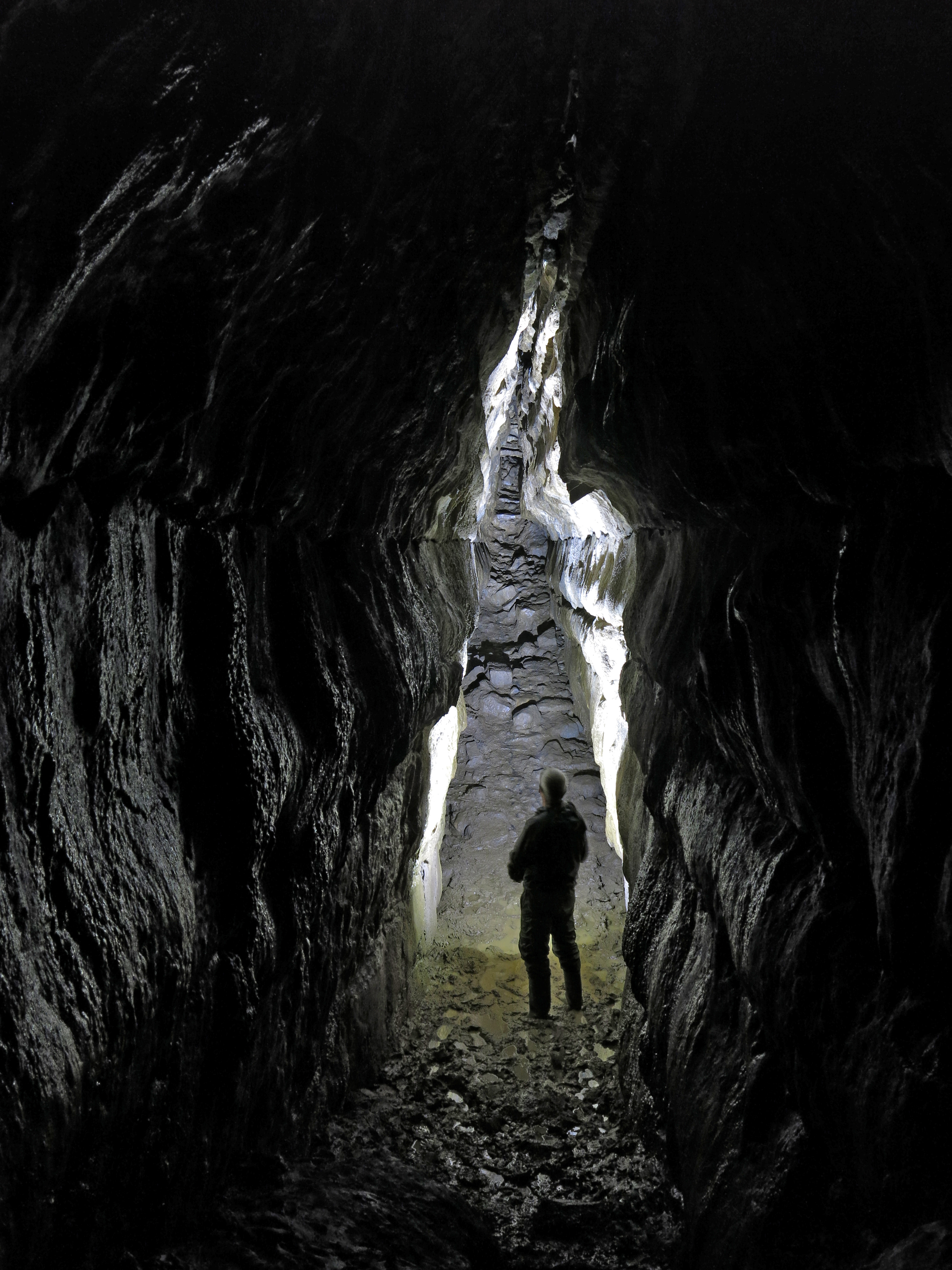
Oweynagat, Co Roscommon
A great place to delve further into Ireland’s rich mythology is Rathcroghan Visitor Centre, Co Roscommon. The centre is located in an important archaeological landscape, the ancient capital of Connaught dating back 5,000 years. Guided or self-guided tours take you on a journey into the past and into the mythological world of the warrior Queen Maeve and other prominent Irish legends. Not far from the Visitor Centre is Oweynagat (the Cave of the Cats), said to be the Gateway to Hell and strongly associated with Halloween when the spirits from the Otherworld come through it. If you dare, there is also the opportunity to enter the cave.
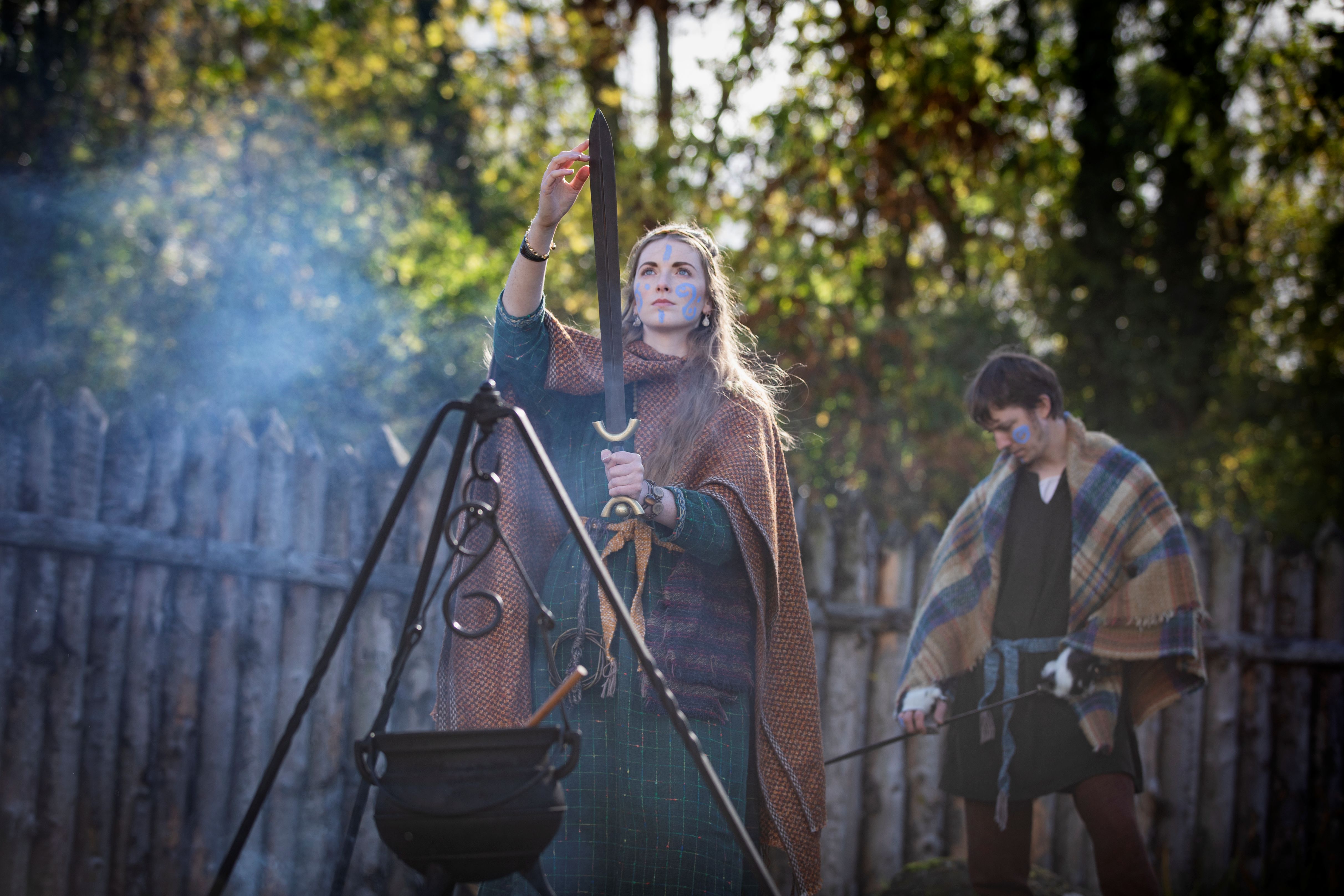
Navan Centre And Fort Ancient Celtic Warriors Co. Armagh Storytelling
In Co Armagh, the Navan Centre & Fort is an award-winning visitor centre that presents the myths and reality around one of Ireland’s most famous and important archaeological sites, the legendary Emain Macha, home of the ancient kings and queens of Ulster. Here you can learn about Macha, the goddess of war and fertility, and of the hero Cu Chulainn who made his stronghold there.
More insight into the island of Ireland’s customs, beliefs and folklore can be found at the Ulster Folk Museum, County Down. Through real-life exhibits, this living history museum presents life in Ulster as it was some 100 years ago and explores the stories behind everyday objects and the importance of passing these stories on to future generations.