
The Irish Connections Behind America’s Founding
As the United States marks the 250th anniversary of its founding, much attention is being paid to the individuals who helped shape the nation during its earliest years. While the story of America’s independence is often told through the lives of well-known Founding Fathers, another thread runs through the nation’s origins: the influence of Irish-born and Irish-descended figures whose contributions helped define the emerging republic.
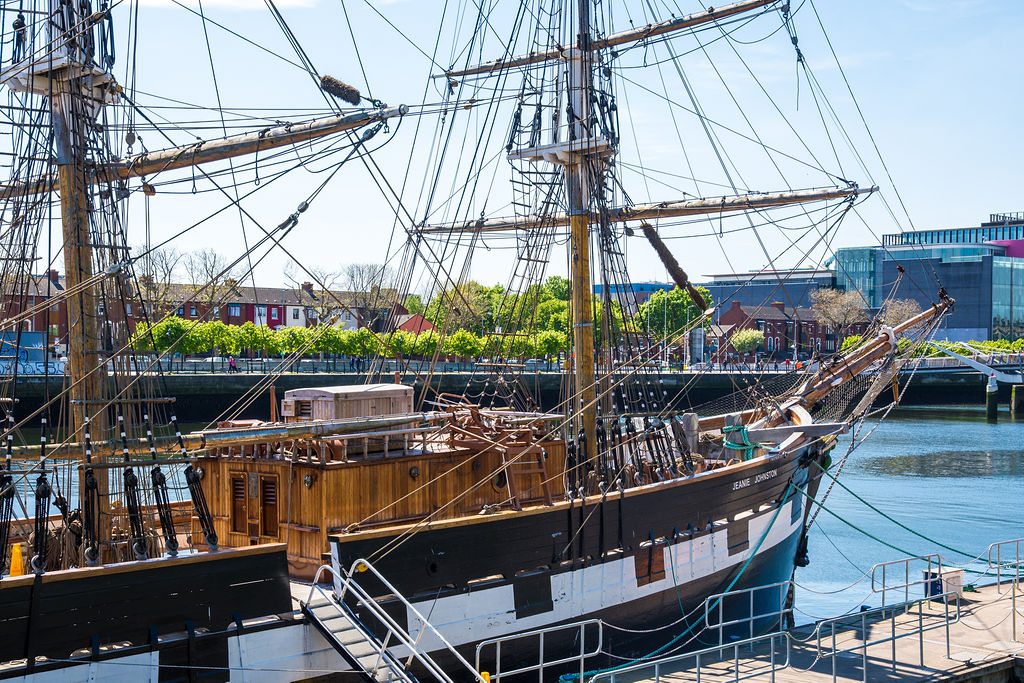
Jeanie Johnston Tall Ship, Dublin
The connections between Ireland and America’s founding era are both extensive and surprising. Historians estimate that millions of Americans today can trace their ancestry to Ireland, but the relationship between the two nations reaches back to the very birth of the United States.
Among the 56 men who signed the Declaration of Independence in 1776, several were either Irish-born or the descendants of Irish immigrants. At a time when the American colonies were debating their future, Irish communities were already playing an important role in commerce, politics and public life throughout the colonies.
One of the most influential figures of the Revolutionary era was Charles Thomson, born in County Londonderry before emigrating to America as a child. Often referred to as the “Samuel Pepys of the American Revolution,” Thomson served as secretary of the Continental Congress for fifteen years. He witnessed and recorded many of the defining moments of the nation’s founding and later played a central role in designing the Great Seal of the United States, including the eagle emblem that remains one of the country’s most recognizable symbols.
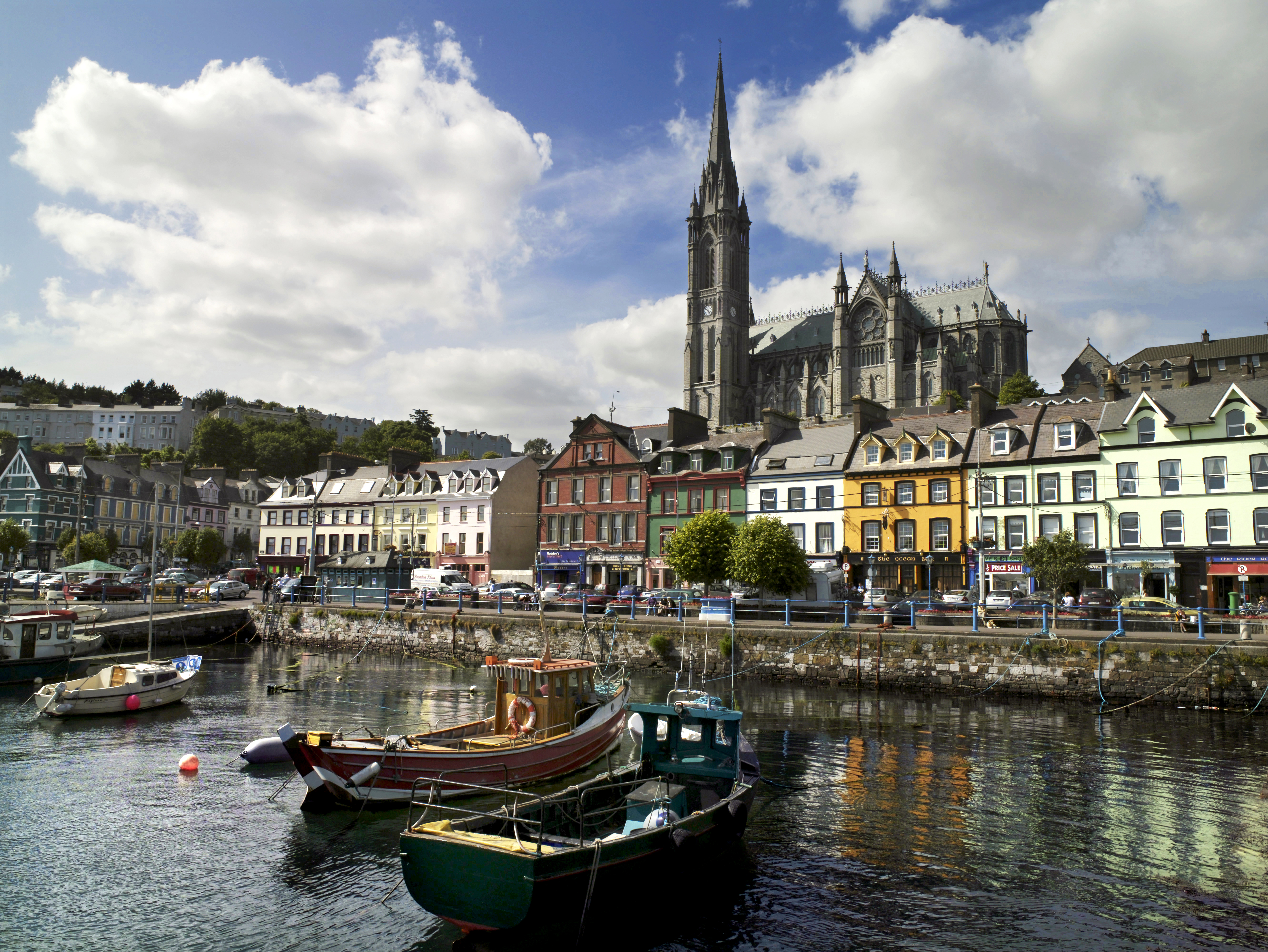
Cobh, Co Cork
Another notable Irish-born figure was Stephen Moylan, who emigrated from Cork to Philadelphia. A merchant by trade, Moylan became a trusted ally of George Washington during the Revolutionary War. He is widely credited with one of the earliest known written uses of the phrase “United States of America,” helping to popularize a name that would soon become known around the world.
The influence of Irish immigrants and their descendants extended beyond politics and military affairs. They helped build commercial networks, establish civic institutions and contribute to the intellectual life of the colonies. Many had arrived seeking opportunity, religious freedom or relief from economic hardship, bringing with them ideas and experiences that shaped the developing American identity.
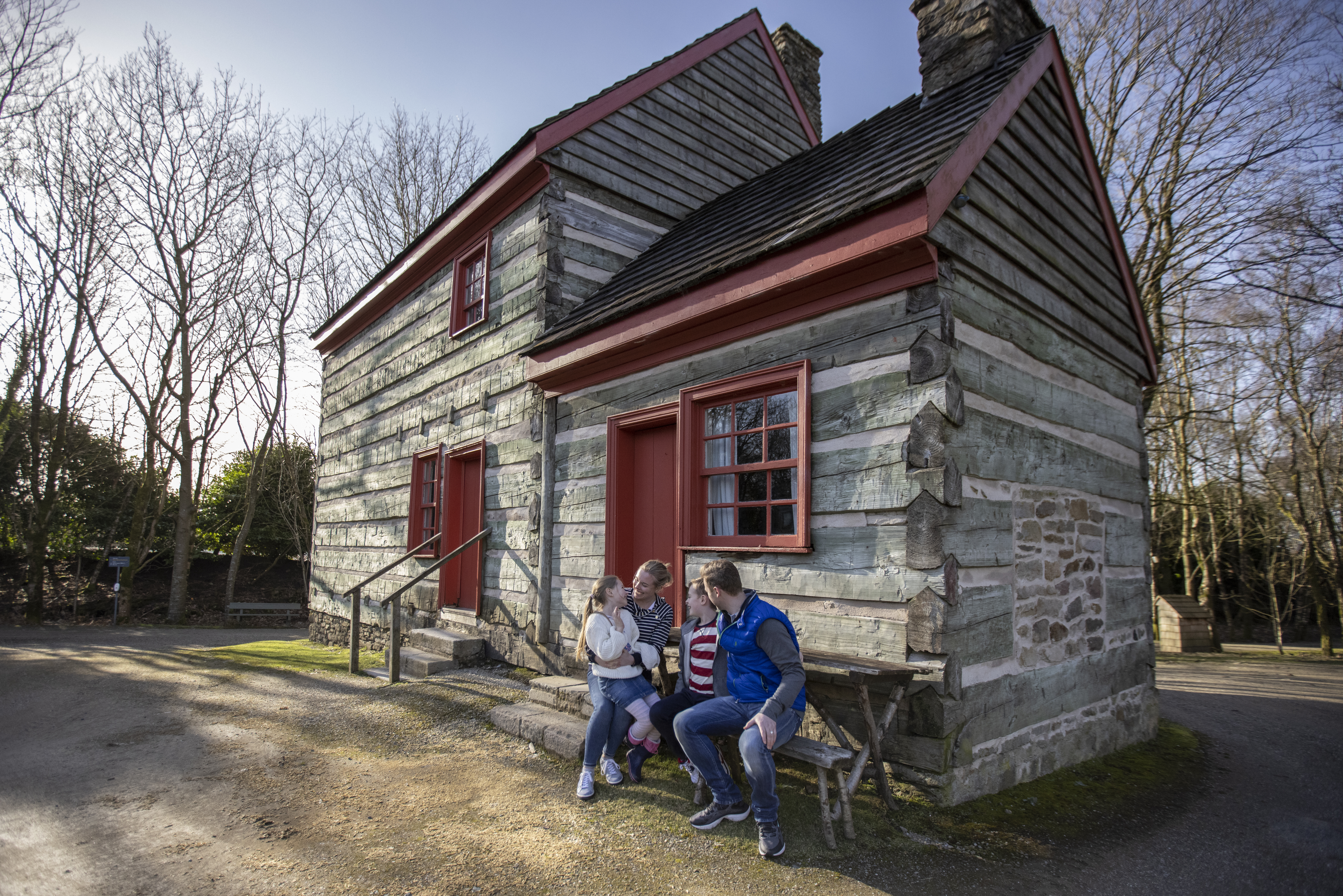
Ulster American Folk Park, Co Tyrone
The connection was particularly strong in Ulster, where political and religious developments during the seventeenth and eighteenth centuries encouraged migration to North America. Thousands of families crossed the Atlantic, settling throughout the colonies and helping populate frontier regions that would later become important centres of revolutionary sentiment.
Today, visitors exploring Ireland can discover many of the places associated with these early American stories. From the historic city walls of Derry-Londonderry to the ports that connected Ireland with the New World, the island offers a deeper understanding of the people and communities whose lives became intertwined with America’s founding.
As America celebrates 250 years of independence, these Irish connections offer a reminder that the nation’s story has always been international in character. The American Revolution may have been fought on American soil, but many of the people who helped shape its outcome carried memories, traditions and family histories that began across the Atlantic on the island of Ireland.
Their legacy remains visible today—in the institutions they helped create, the symbols they helped design and the enduring relationship between Ireland and the United States.