
Rooted in heritage: Ireland’s unique cultural traditions
Every year on 17 March, Ireland’s parades and street parties turn the island into a sea of green. But there’s a much deeper story here. St Patrick’s Day isn't just a date on the calendar; it’s a living celebration of an identity shaped by centuries of creativity. And in 2026, with celebrations running right across the island of Ireland, it’s an especially timely moment to reconnect with the traditions that shape who we are.
Whether you're visiting Downpatrick in County Down or climbing Croagh Patrick in County Mayo, you’ll find the spirit of St Patrick in the music, craft and dance that lie at the very centre of Irish life. These aren't just relics of the past. They’re active traditions that invite everyone, from those with ancestral roots to first-time visitors, to experience our heritage in action.
The heartbeat: ancient instruments
Listen to any traditional Irish session, and you’ll hear it: the steady, pulsing rhythm of the bodhrán. While we now think of it as the “heartbeat” of folk music, the bodhrán started as a humble household tool. This handheld drum was once a simple animal-skin tray used on farms for winnowing grain. It’s a bit like how the washboard found its way into early jazz – a practical object turned into a cultural icon.
We really have Seán Ó Riada to thank for its modern fame. In the 1960s, he moved the bodhrán from rural kitchens to the formal stage, proving that Celtic instruments belonged in serious arrangements. Today, it’s the driving force behind St Patrick’s Day soundscapes everywhere.
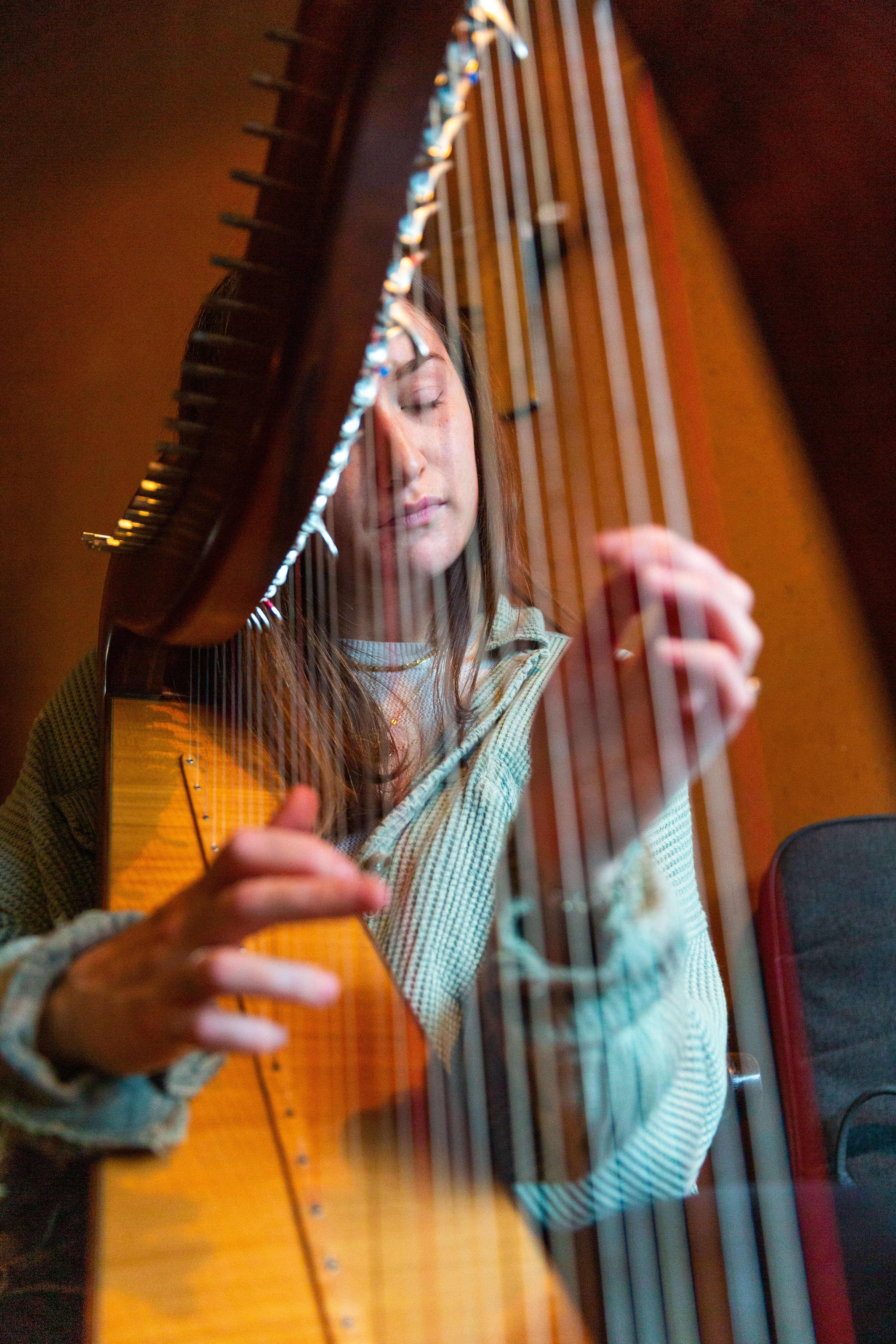
Standing alongside the drum’s energy is the more graceful Irish harp. It’s been a symbol of Ireland for more than a thousand years, appearing on everything from official seals to coinage. In ancient Gaelic society, harpers were more than just musicians; they were the keepers of our history and genealogy.
Popular since the 5th century, the uilleann pipes offer a soft, haunting sound that mesmerises listeners. Today, Belfast man John McSherry is one of the finest exponents of the art of uilleann piping.
Where to see them:
Belfast: Don’t miss the St Patrick’s Music Festival (13–17 March). As a UNESCO City of Music, Belfast turns its Cathedral Quarter into a free Festival Village where these historic sounds feel entirely contemporary.
Dublin: Head to the National Museum of Ireland at Collins Barracks. Their Music Trail features “Royal Portable” harps by John Egan and early uilleann pipes.
Limerick: For a truly symphonic experience, look to the University of Limerick Concert Hall, which has famously hosted Shaun Davey’s The Brendan Voyage, a groundbreaking work where the uilleann pipes soar alongside a full orchestra.
You can also enjoy traditional music sessions in pubs all over the island of Ireland, especially in lively hubs such as Galway city, Doolin in County Clare and Cushendun, County Antrim.
Crafted by hand
Irish heritage is just as visible in the things we make by hand. In fact, pottery on the island dates back more than 5,000 years. What started as functional clay vessels soon became canvases for Celtic art, covered in the spirals and knotwork that still define Irish design today.
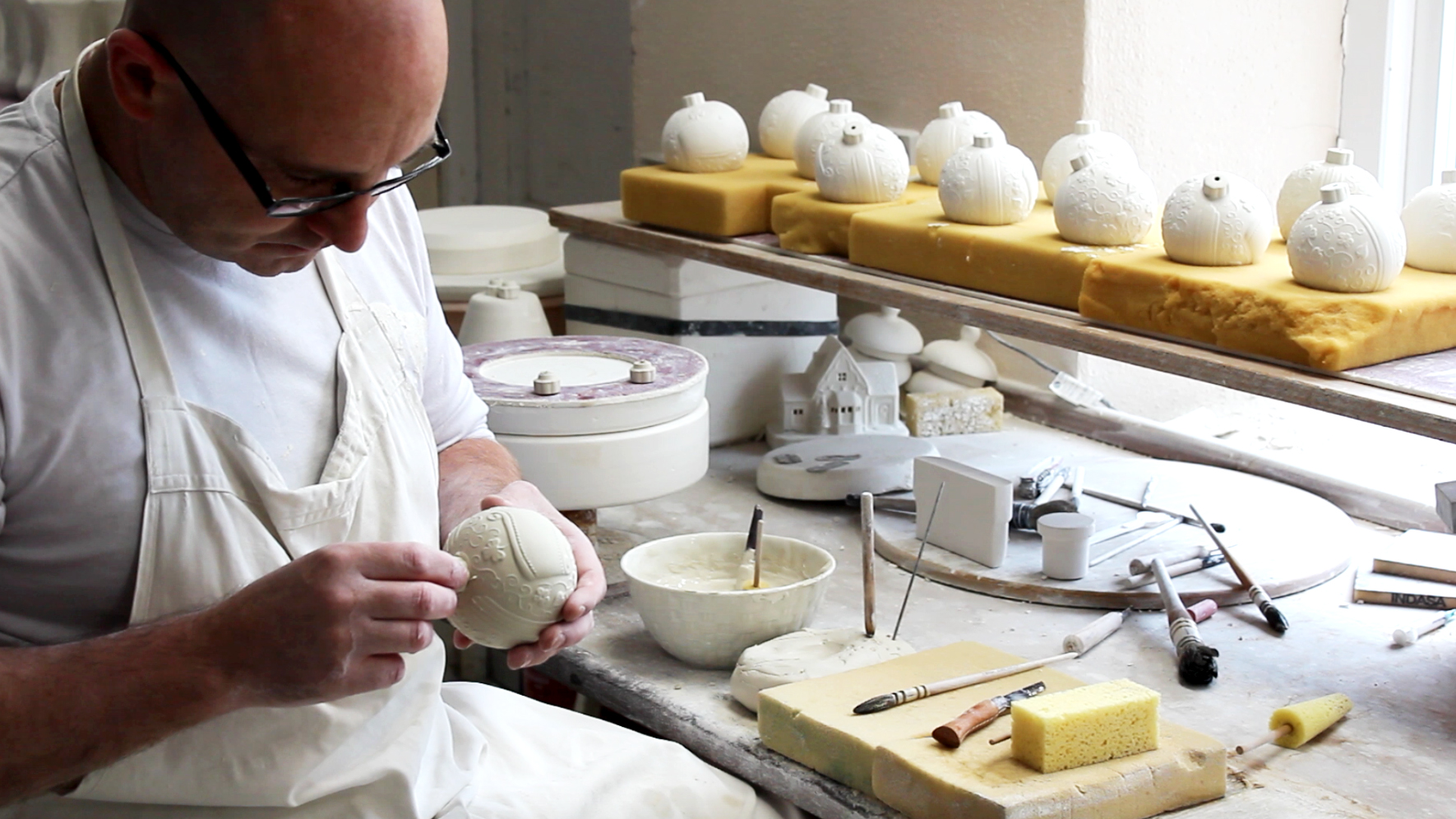
Belleek Pottery in County Fermanagh is the ultimate keeper of this flame. Founded in 1857, it is our oldest working pottery. If you take the factory tour, you’ll see artisans still using the same slip-casting and hand-painting techniques that have been passed down over the last 160 years. It’s a rare chance to see that level of patience and skill in the modern world.
Ireland’s renowned lace tradition, particularly the fine needle lace once produced in cottage industries around the county[MI1] , tells a softer but equally intricate story. Lace-making arrived in the mid-19th century and became a vital source of income for rural families. Today, small workshops and local collections preserve these delicate patterns, a reminder that Irish craft isn’t only robust and earthy but can also be gossamer-light.
One of the most familiar pieces of Irish craft and design is, of course, the Aran sweater. Originally knitted on the Aran Islands in County Galway to shield fishermen from Atlantic gales, every stitch tells a specific story from the cable, which represents the fisherman’s ropes and a wish for safety at sea, to the Tree of Life, a symbol of the strength of the clan and the continuity of generations.
While celebrities such as Taylor Swift, Chris Evans and even Elvis Presley helped make Aran knitwear globally recognisable, its soul still resides with the islands. On St Patrick’s Day, pulling on an Aran sweater feels like wrapping yourself in a piece of our history.
The global stage: dance
Dance has always been at the heart of how we celebrate on the island of Ireland. Its roots go back 2,000 years to Druid and Celtic rituals, where movement wasn’t just entertainment but a way to bind a community together.
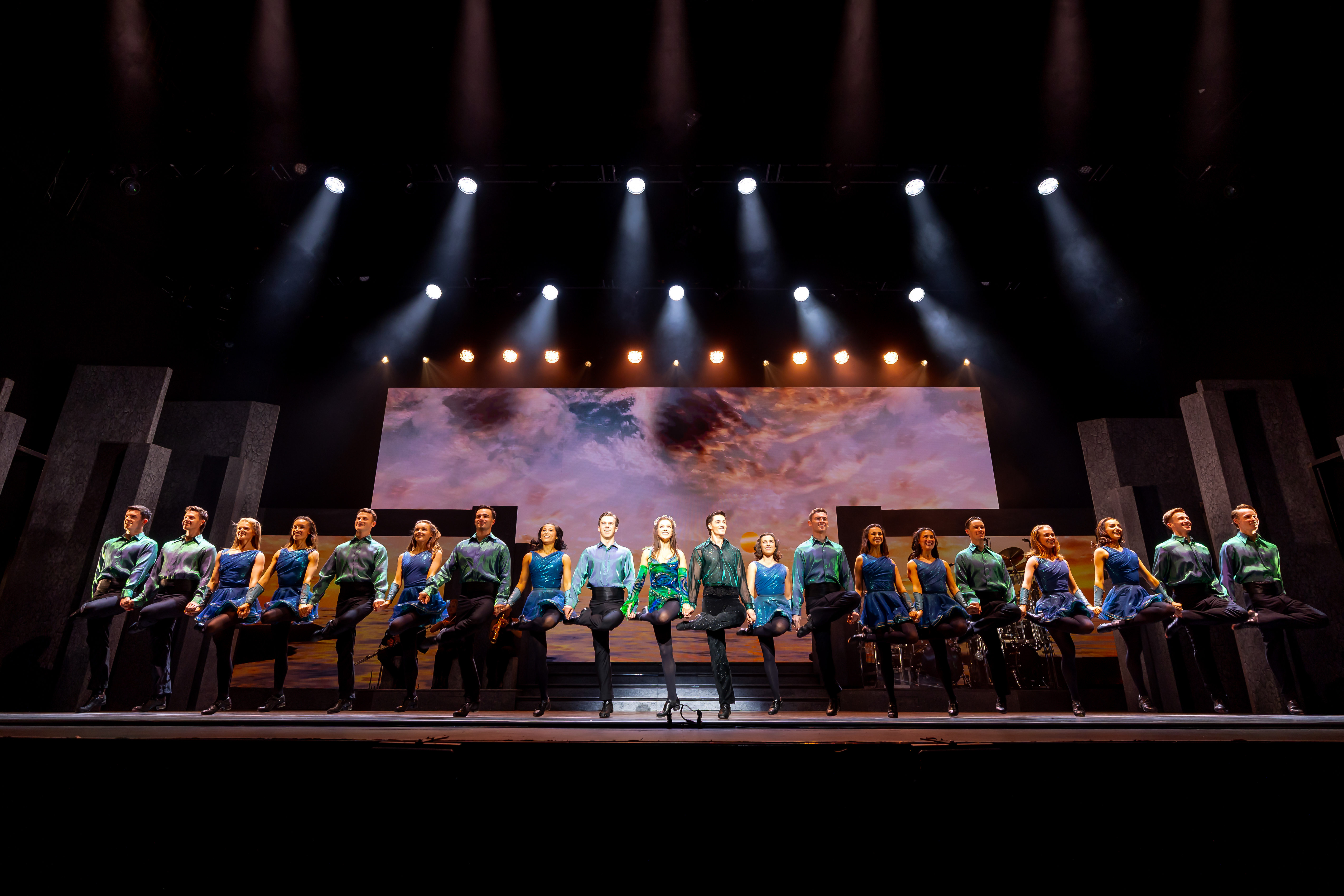
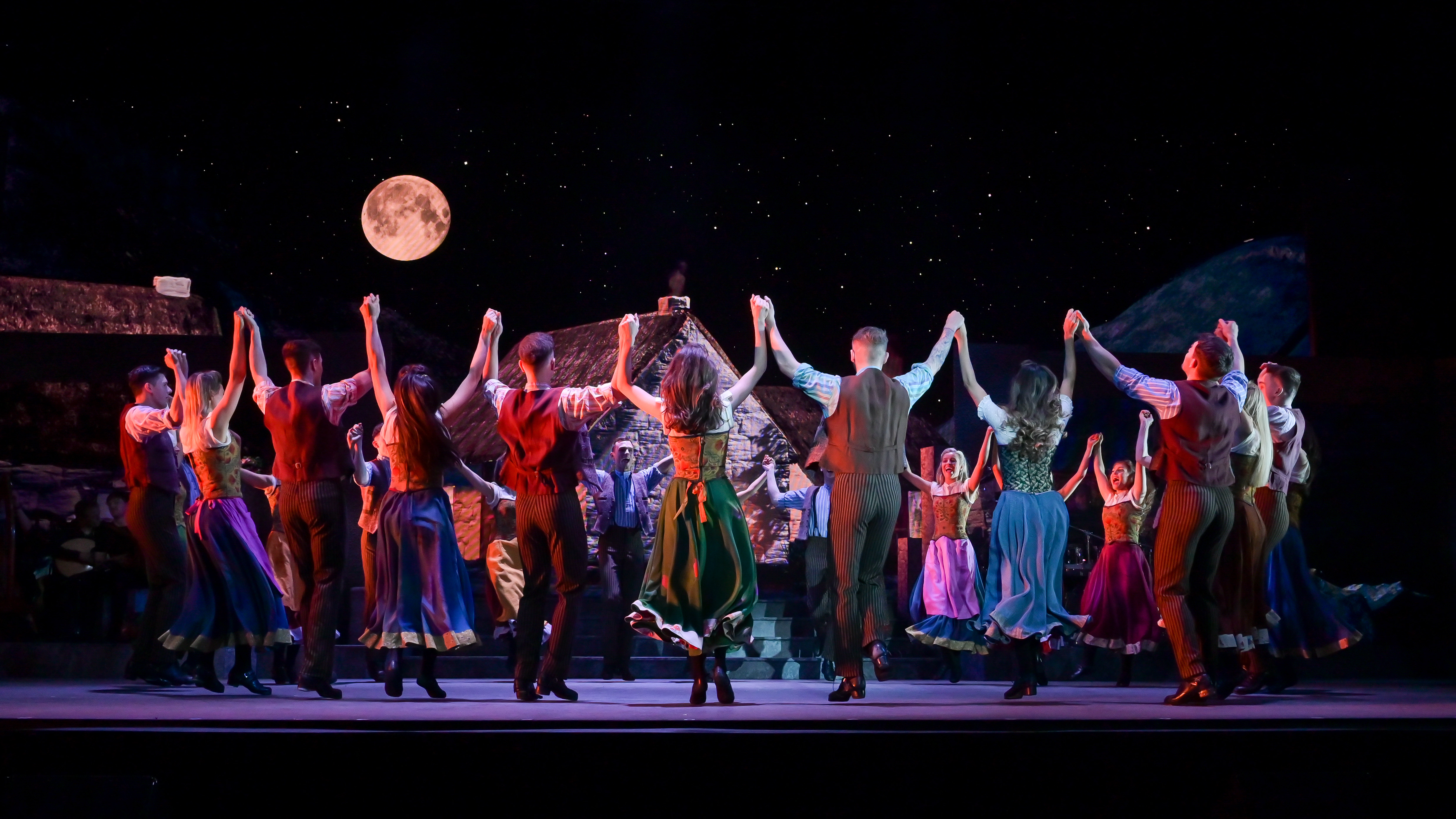
For most of the world today, Irish dance is synonymous with Riverdance. What began as a seven-minute interval act at the 1994 Eurovision Song Contest exploded into a global phenomenon seen by over 30 million people. It showed the world that traditional step dancing could be modern, powerful and utterly electric.
This March, across the island of Ireland, from community school showcases in Derry and Newry to performances at parades and festivals, the same precision and energy come alive again. The footwork is fast, the lines are tight, and every rhythm carries the echo of centuries-old rituals that still feel completely present.
St Patrick’s Day is more than a single afternoon of festivities. It’s a chance to see a culture that is constantly in motion. For anyone discovering these traditions for the first time, music, craft and dance are the best ways to experience what makes Ireland special, and this March, there’s no shortage of places to experience them in action.